2019.12.11
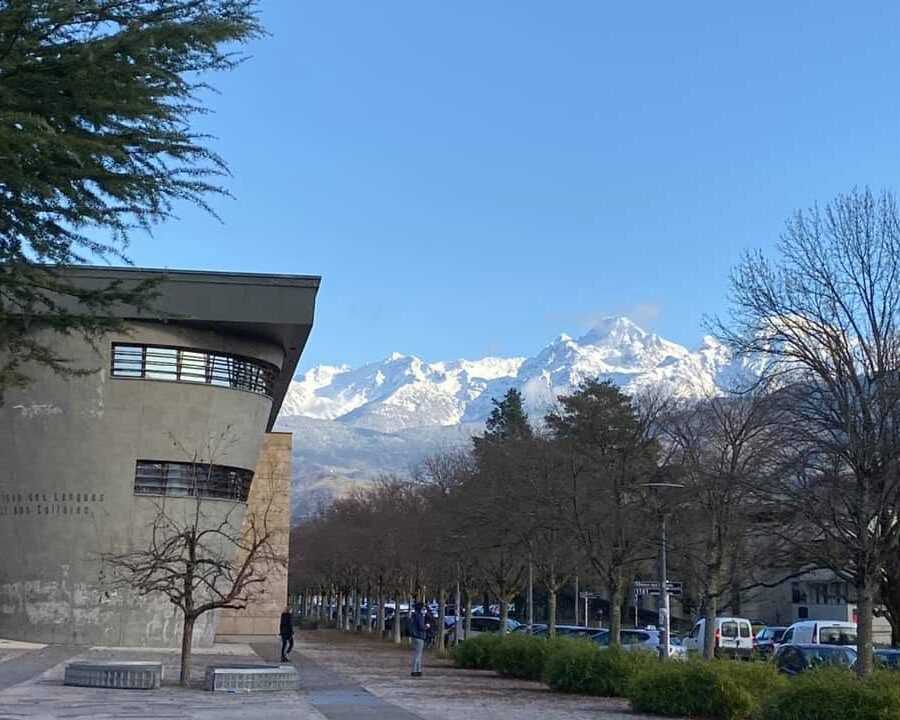
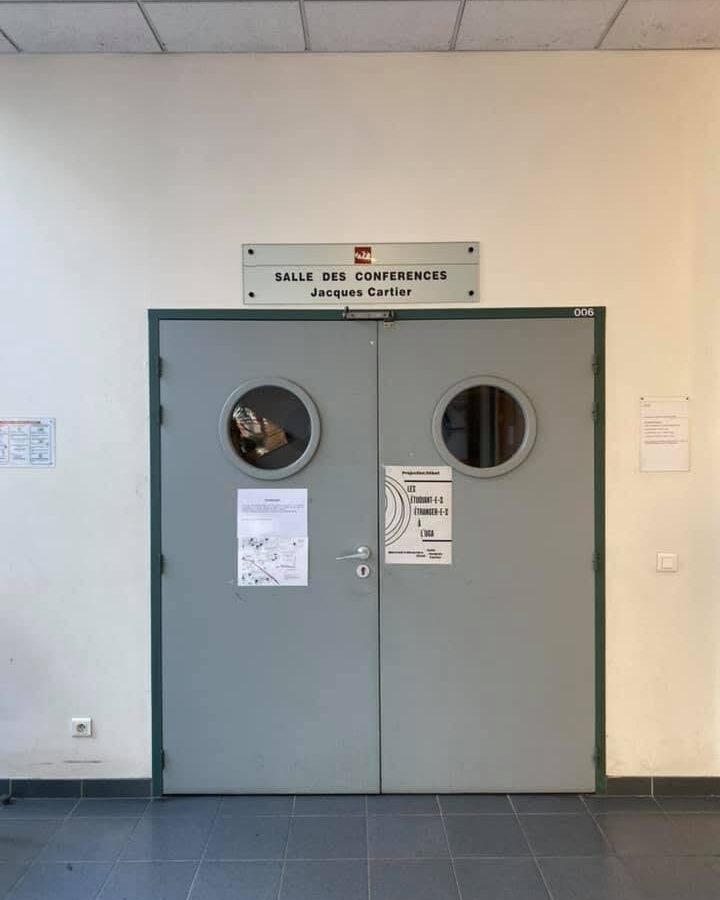
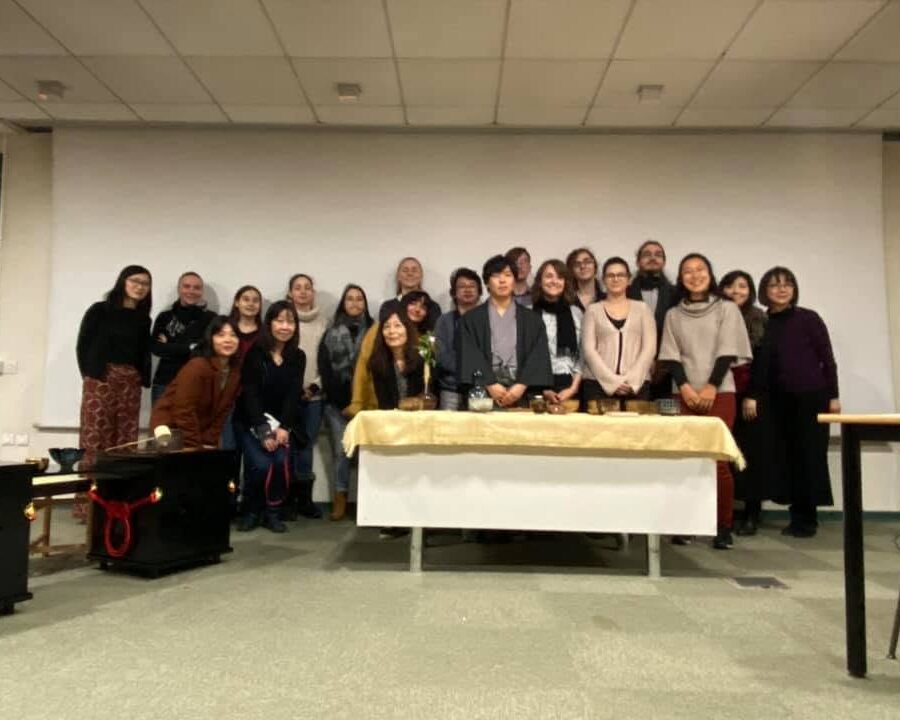
University of Grenoble Lecture 2019
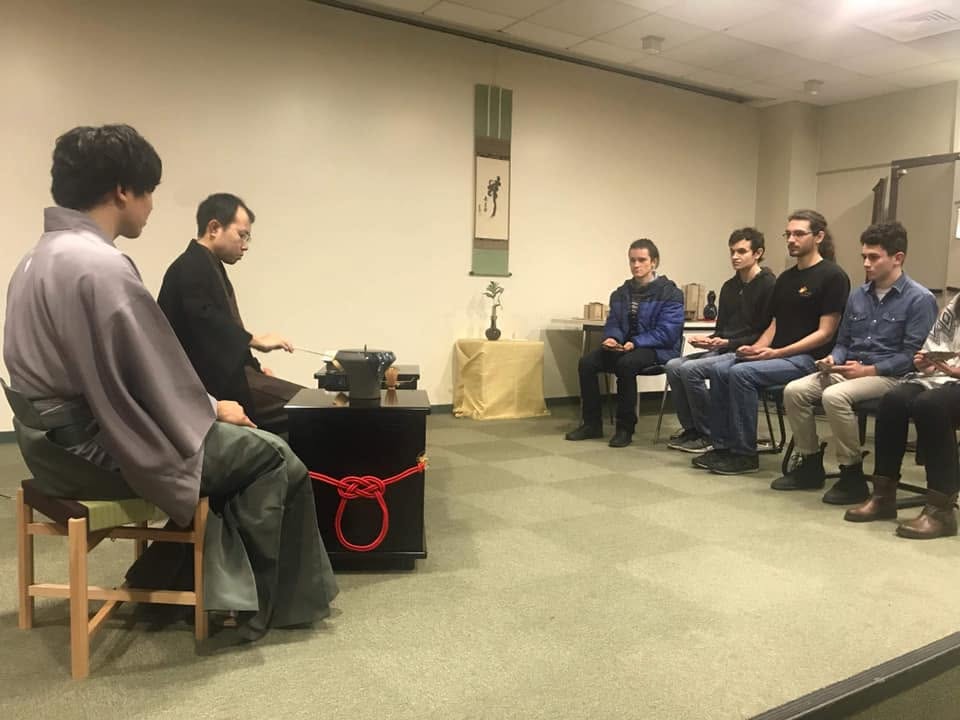
Another two days of university lectures have come to an end.
The general strike, or grève, has now continued for nearly a week.
Air France, TGV services, regional trains, the metro, buses, and trams had all been brought to a halt. I somehow managed to reach Grenoble through the extraordinarily limited services required by law to operate—a sort of miracle of approximately one train a day. A journey that would normally take two hours ended up taking no less than ten hours.
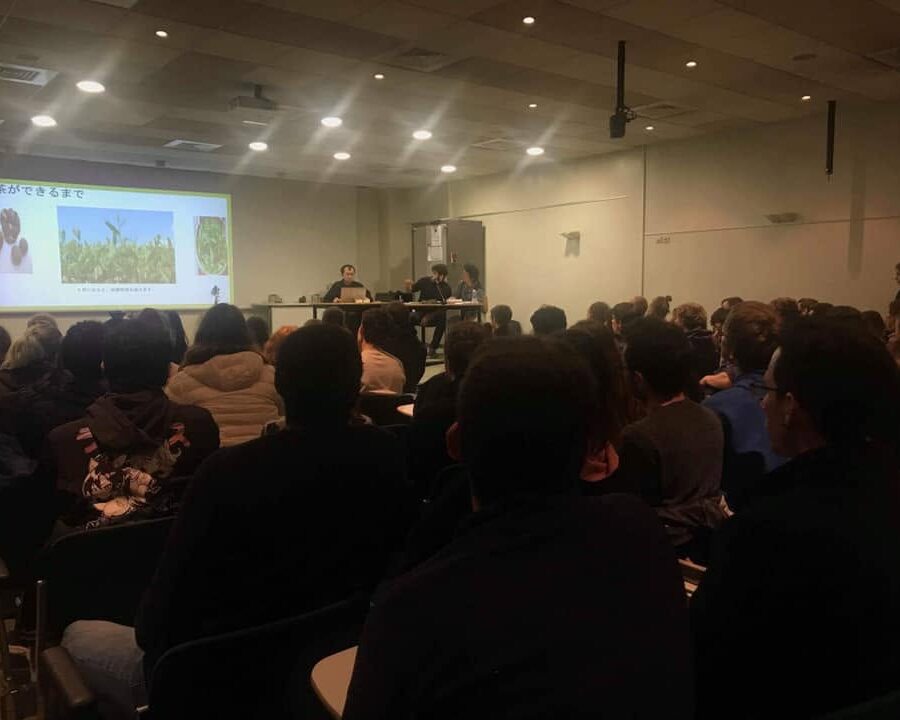
The lecture was scheduled to begin at 6:00 p.m. I finally arrived at 7:30, but more than 130 students, including some standing at the back of the hall, were waiting for me.
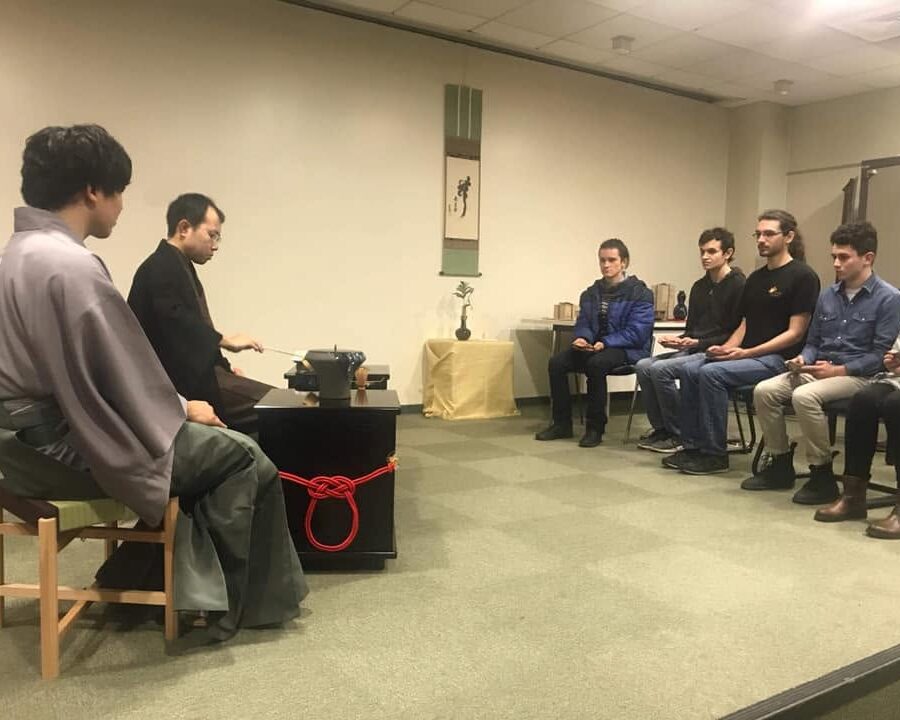
Right there in front of them, I began setting up the tea utensils and preparing the mizuya…
I was so desperately focused on getting everything ready that I could hardly explain anything. But perhaps the students were able to experience something important nonetheless:
The Way of Tea is not easy to prepare—and that very effort is part of hospitality.
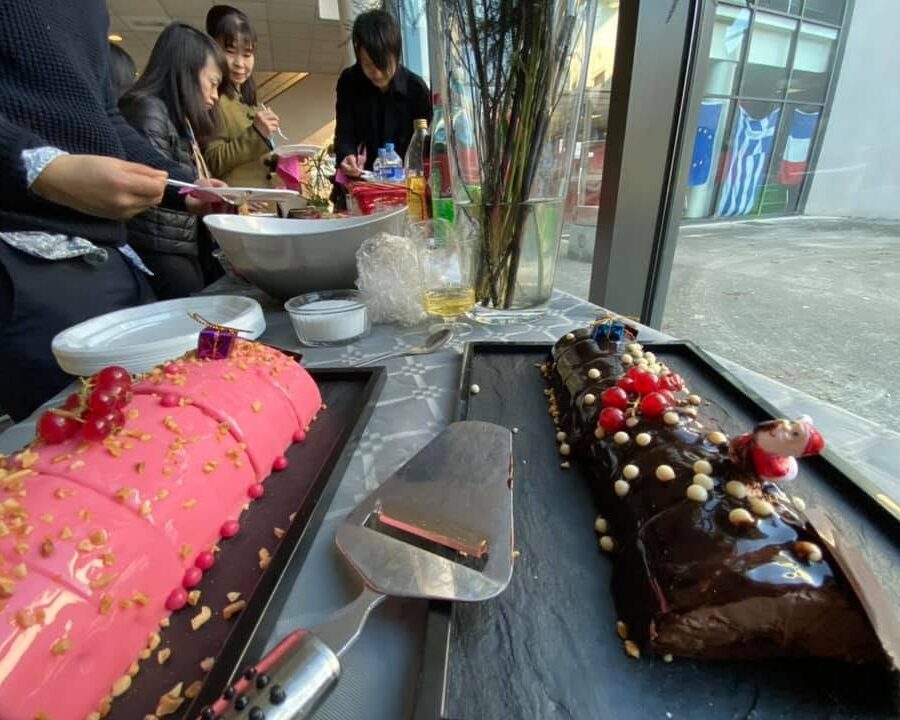
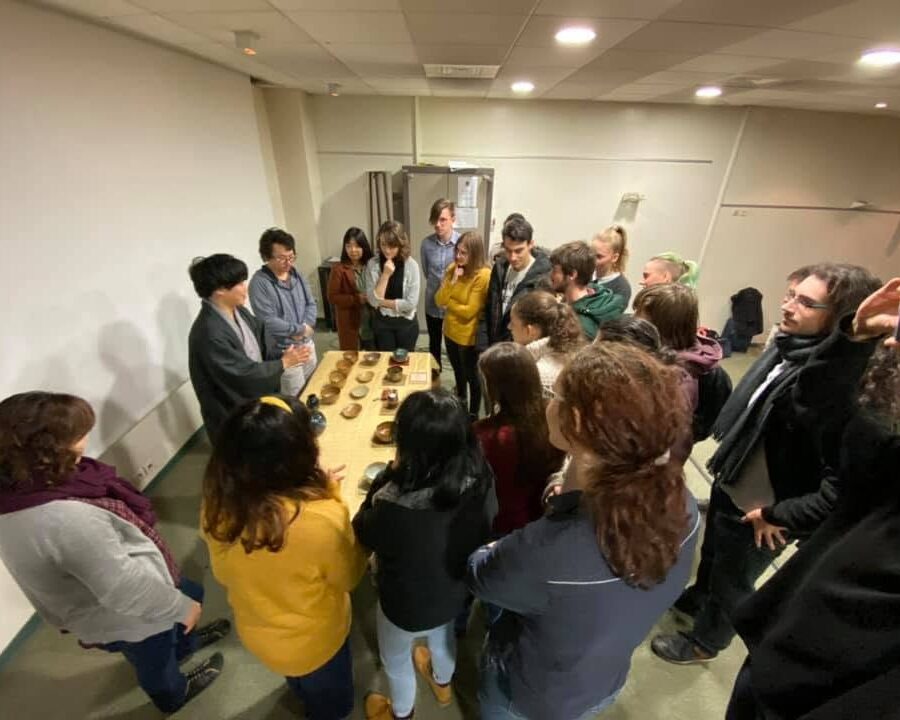
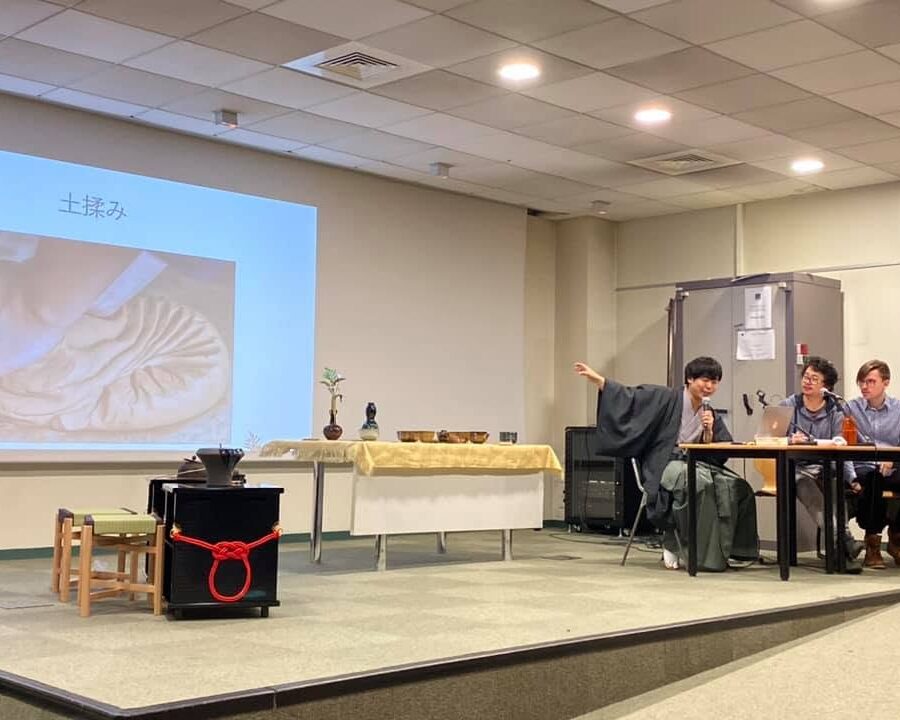
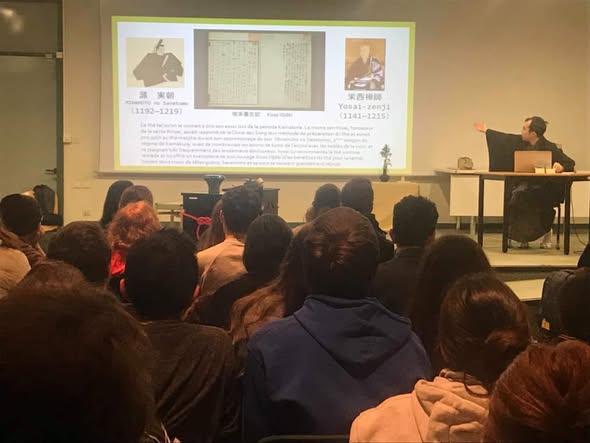
On the first day, I spoke about the history of the Way of Tea and gave a demonstration. We used materials and yōkan generously provided by TORAYA PARIS.
At one point, I noticed several students who looked familiar. Then I realized that some of them had been attending these lectures for three consecutive years.
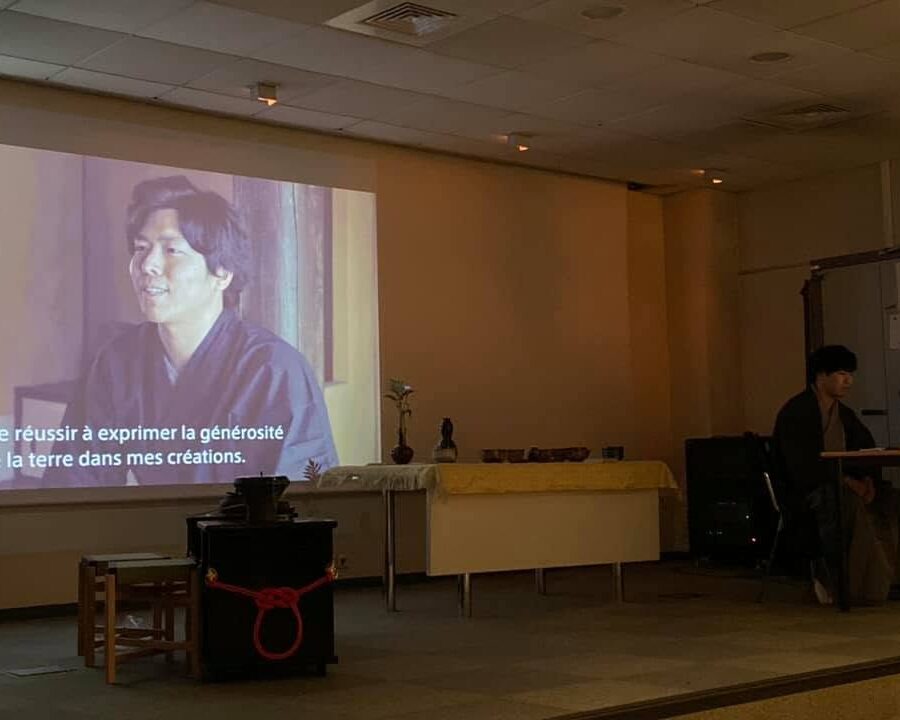
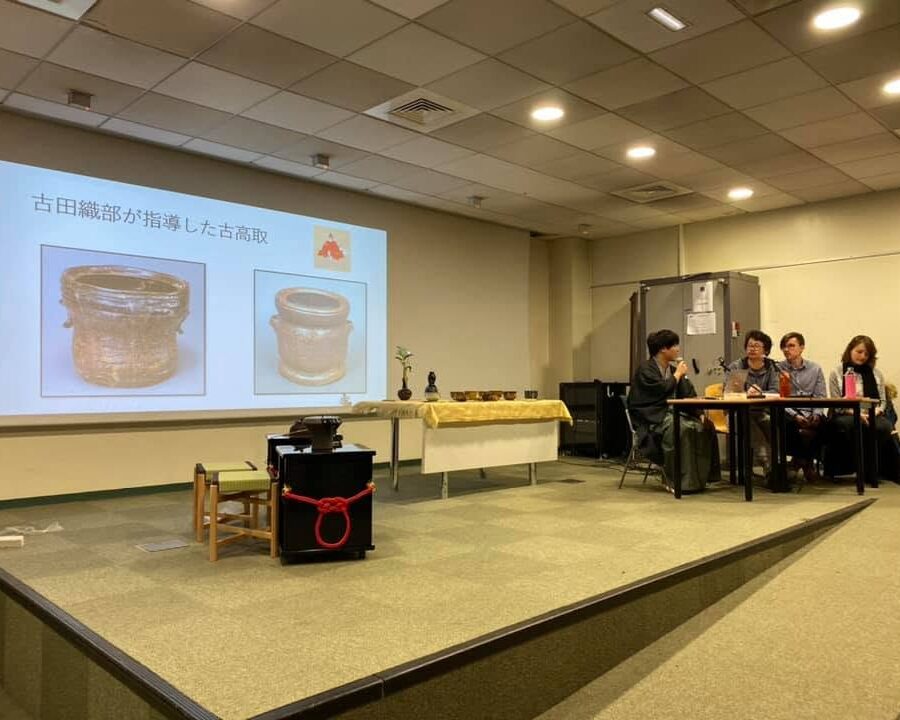
On the second day, Hisaaki Kamei of Takatori ware gave the lecture.
Even with an interpreter, speaking for an hour and a half is no small task, yet it was a truly excellent lecture.
(I imagine preparing all those teaching materials must have been quite a challenge…)
Many of the students studying Japanese will likely go on to work in fields connected with Japan in the future. Since the ability to communicate in Japanese remains relatively limited in the international community, people who can actually speak Japanese will undoubtedly be valued.
At the same time, even in France alone, there are countless “sort-of” sushi restaurants, miscellaneous-goods shops, tea shops, and other businesses filled with “Japanese-style” products that would immediately feel strange to anyone from Japan. Needless to say, many of these products are neither made in Japan nor operated by Japanese people.
For young people who will eventually be involved with Japan in such an environment, I believe it is absolutely essential that they have the opportunity to encounter the real thing: to see authentic works, hear directly from the people who make them, ask questions, and experience Japanese culture firsthand.
Japan has an extraordinary range of traditional crafts whose prices make them difficult to purchase casually. Yet there is great value in being able to encounter authentic objects and actually use them.
I hope we can continue creating opportunities of this kind.
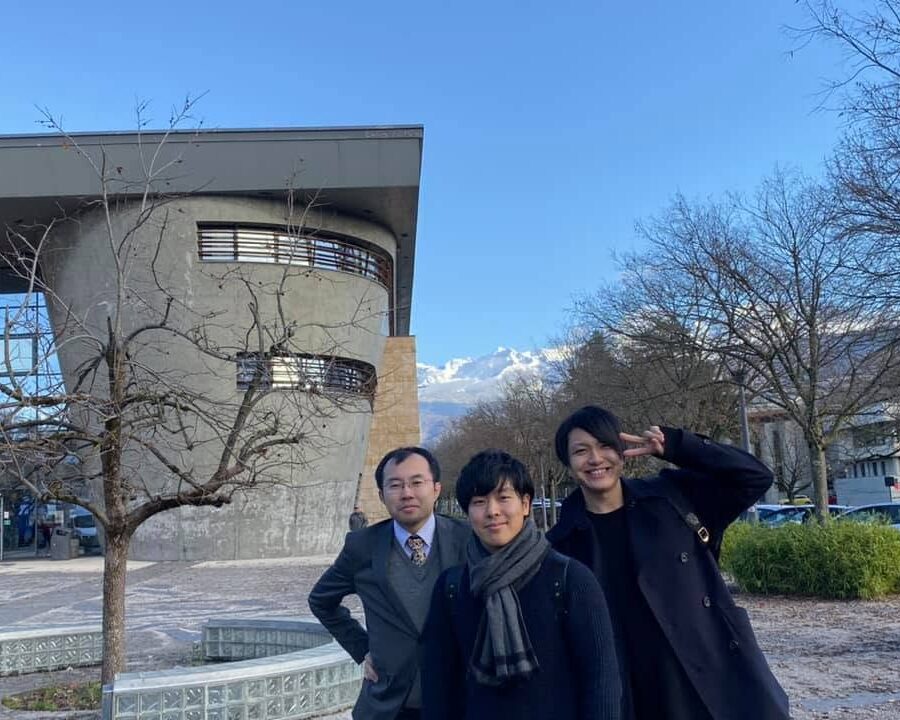
My sincere thanks go to Dean Higashi of the University of Grenoble, Professor Shirota, and all the faculty members who welcomed us, as well as to our colleagues in the French office and everyone who accompanied us from Japan.