2026.01.27
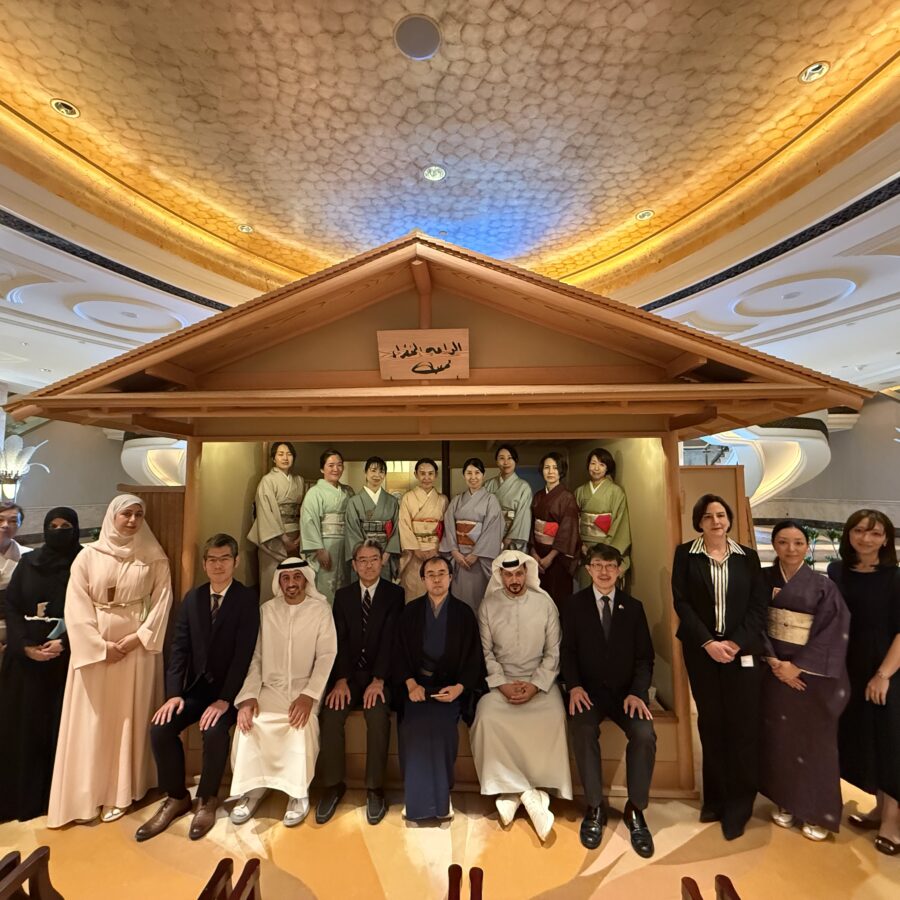
Introduction to the Tea Ceremony at Urasenke Abu Dhabi
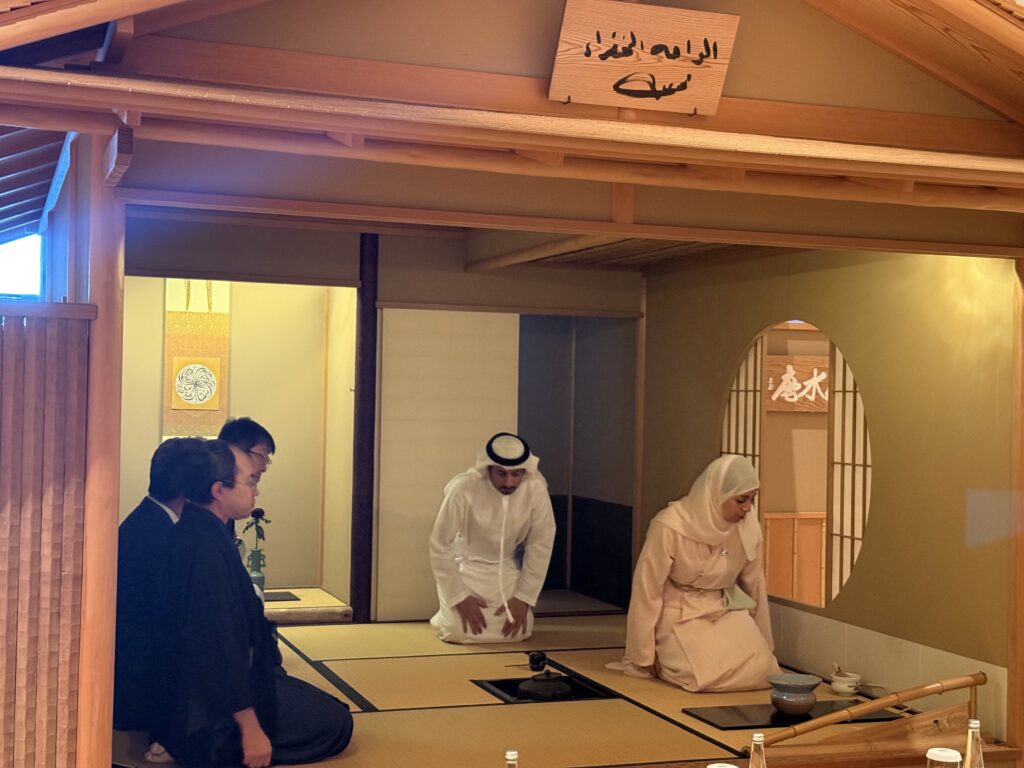
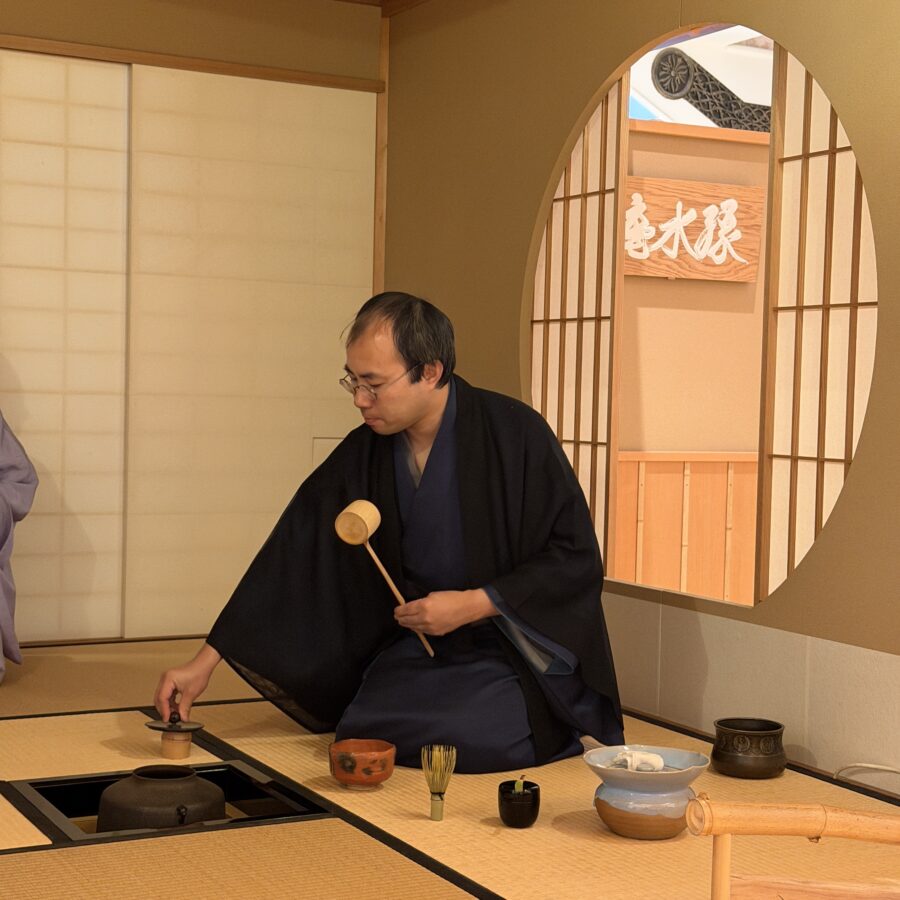
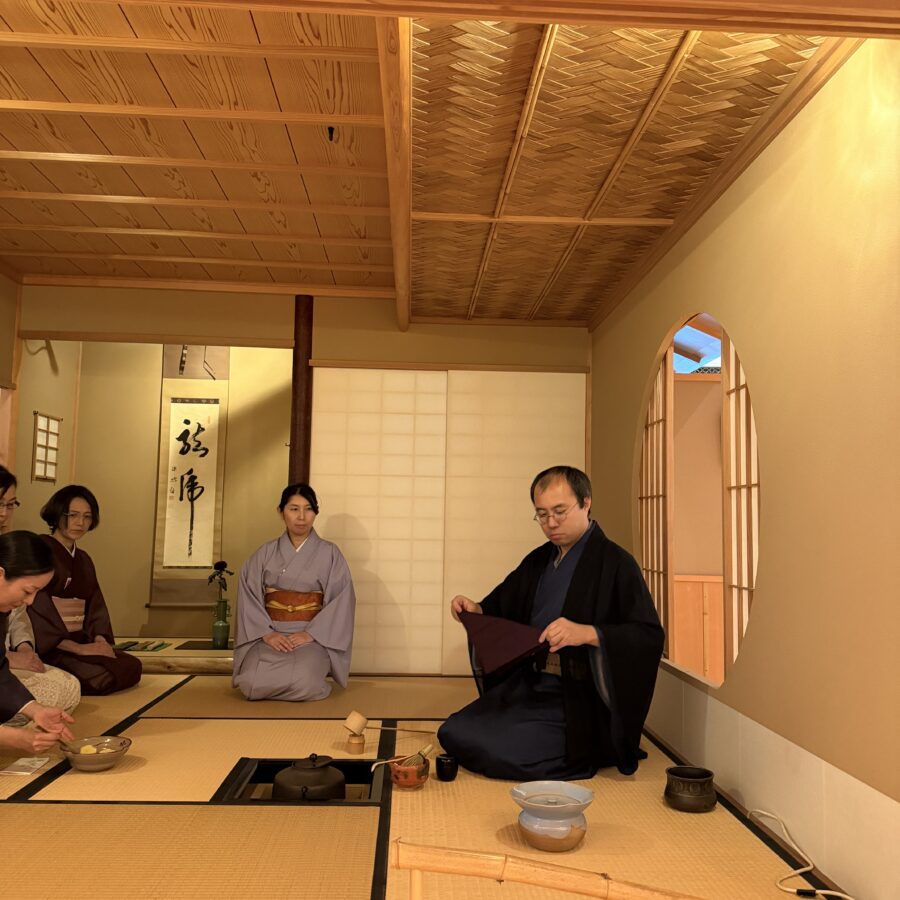
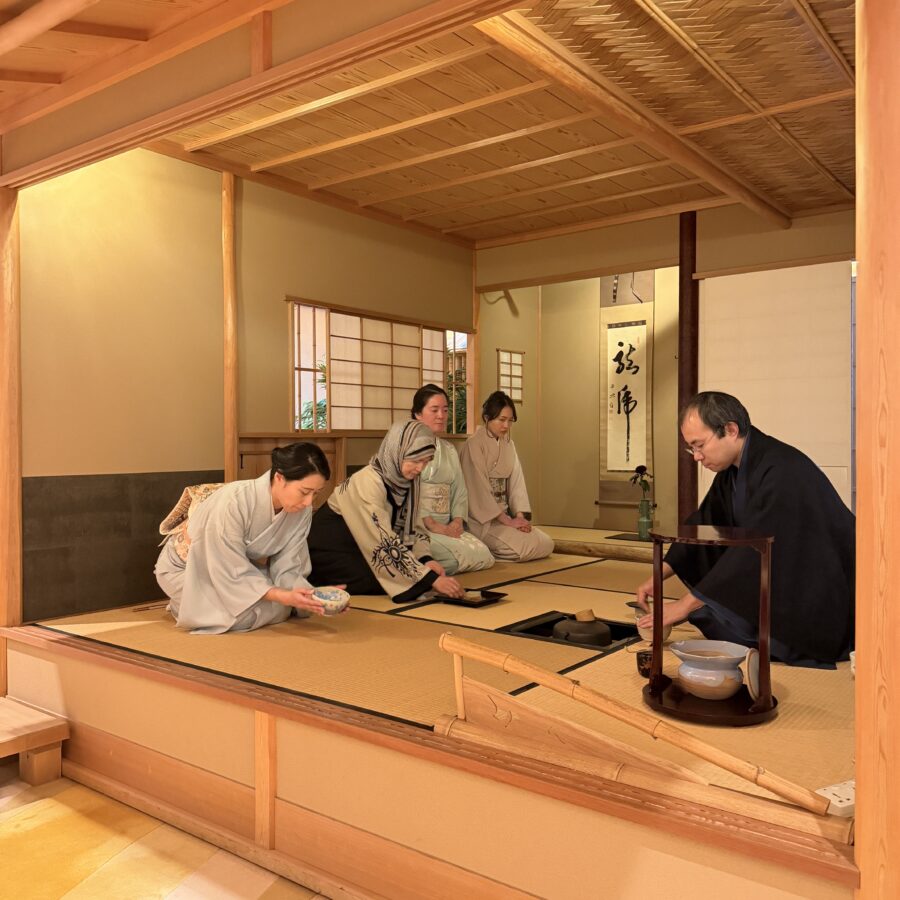
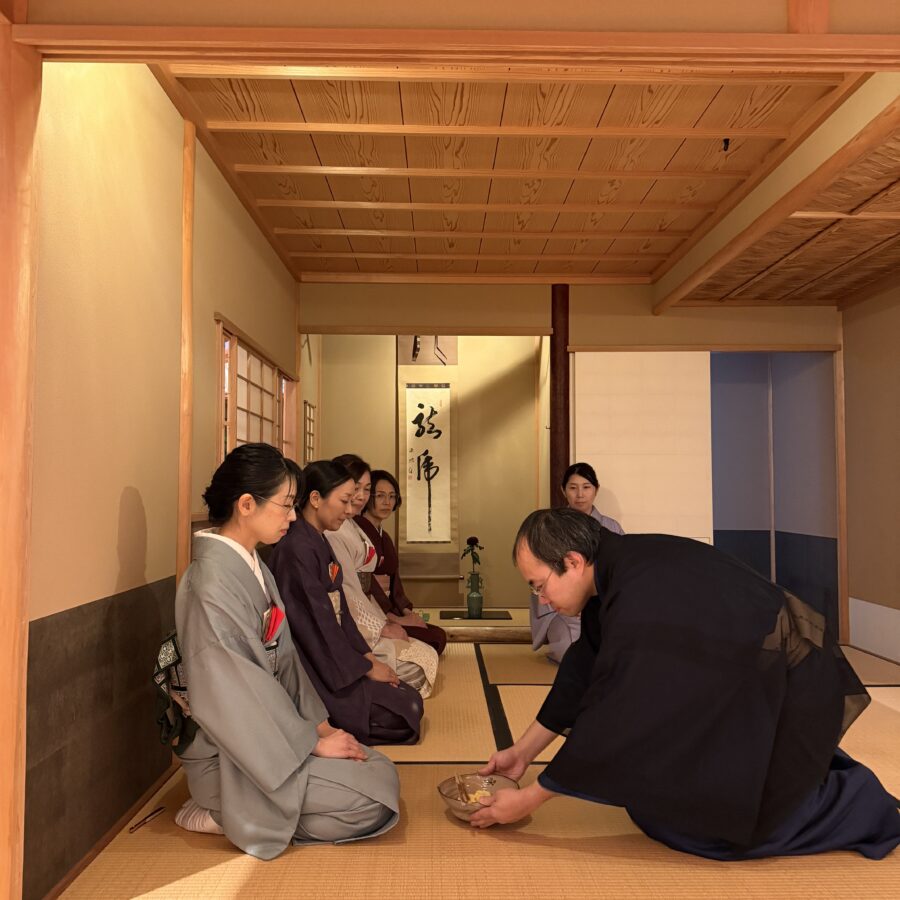
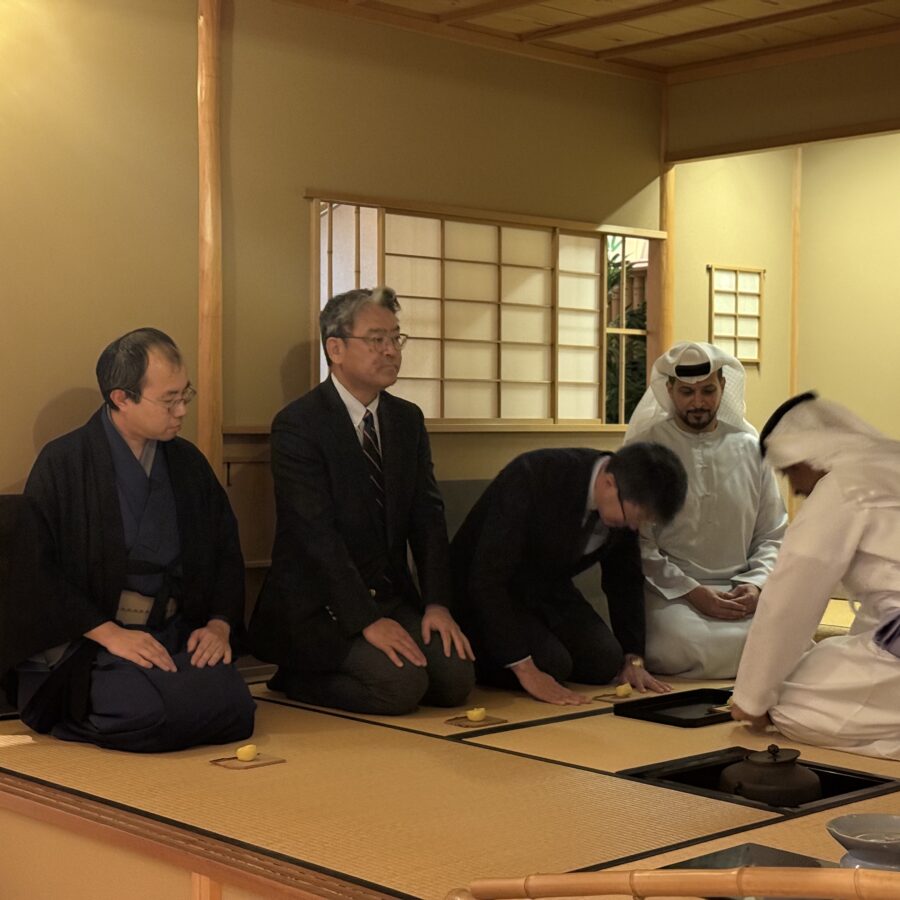
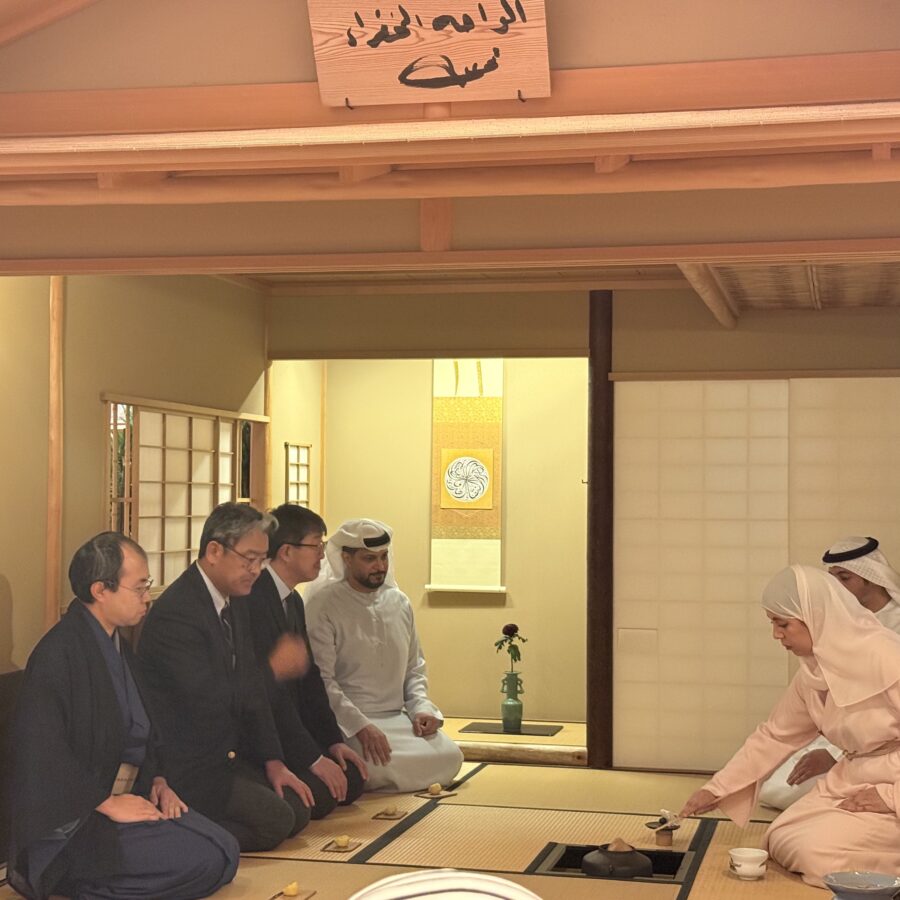
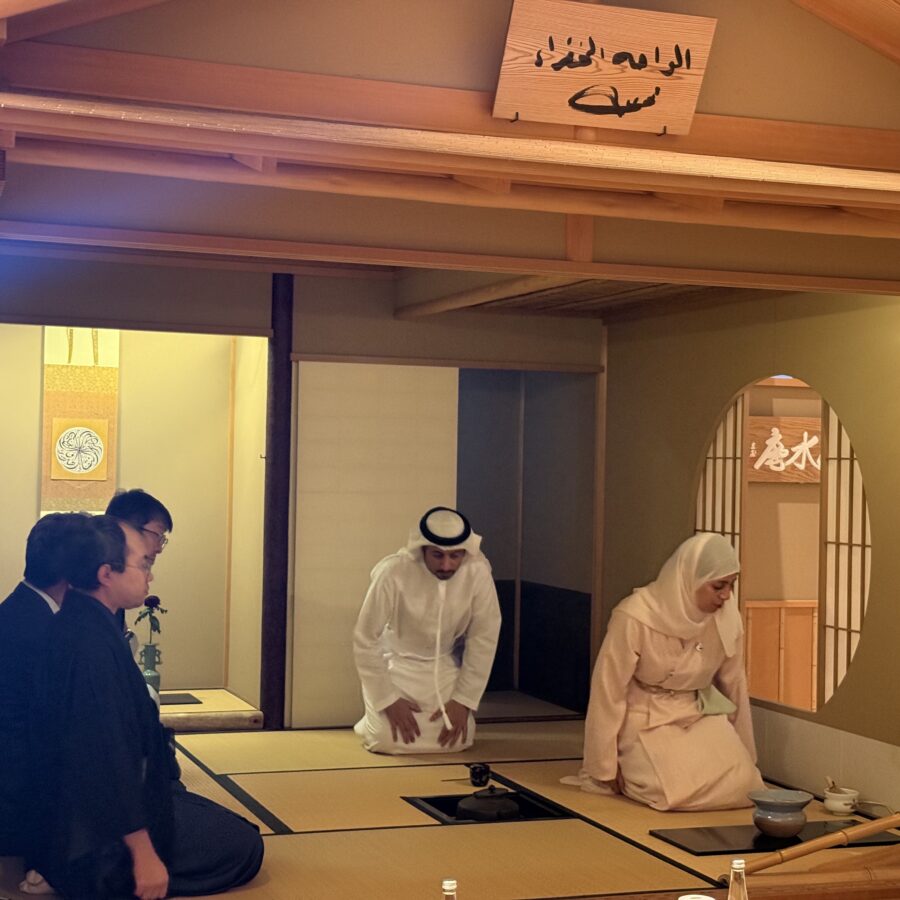
I had the privilege of being given the opportunity to perform a temae, the formal preparation of tea, in a tea room in Abu Dhabi.
The scroll by MORI Tadaakira, one of my ancester, which our family traditionally displays at New Year — this year at my residence, at our place of practice, and at the residence of the Japanese Ambassador in Paris — is now hanging in the tea room in Abu Dhabi.
After serving usucha, thin tea, prepared on a marujoku tea stand, I then prepared koicha, thick tea, using the tsutsumi-fukusa method.
Creating opportunities for people overseas to encounter and learn about the Japanese tea ceremony is truly difficult. More importantly, such activities must be continued over time. A single presentation may become a memorable, festive occasion, but by itself it cannot become part of the cultural memory.
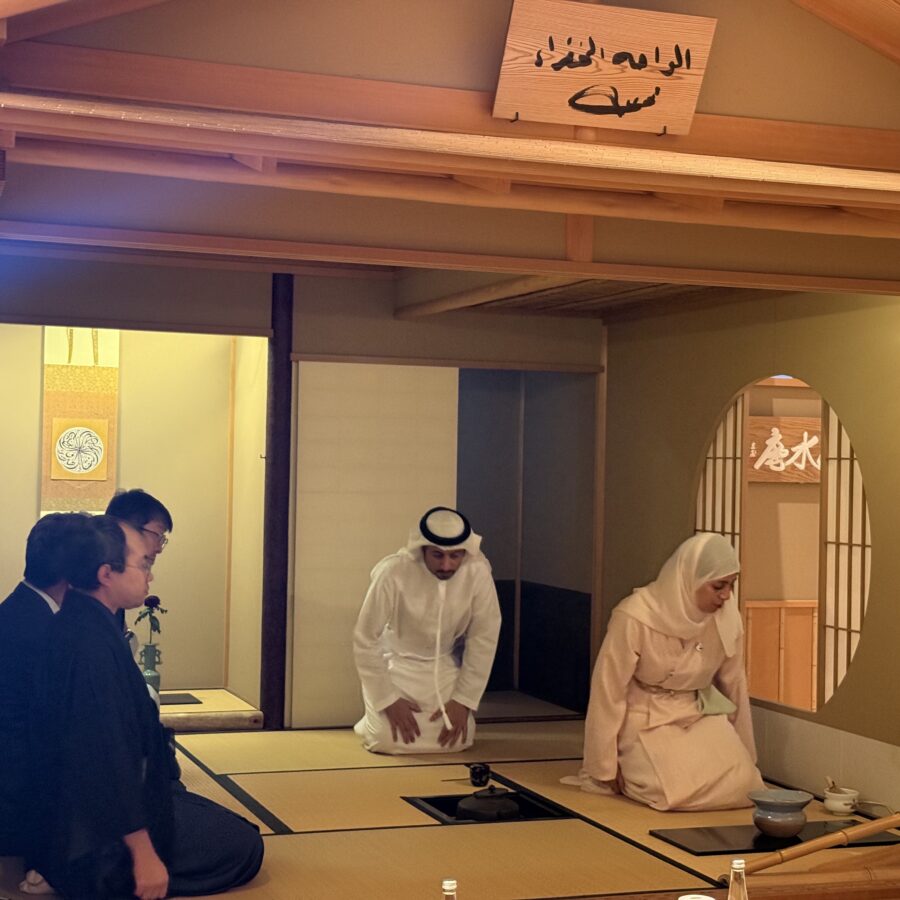
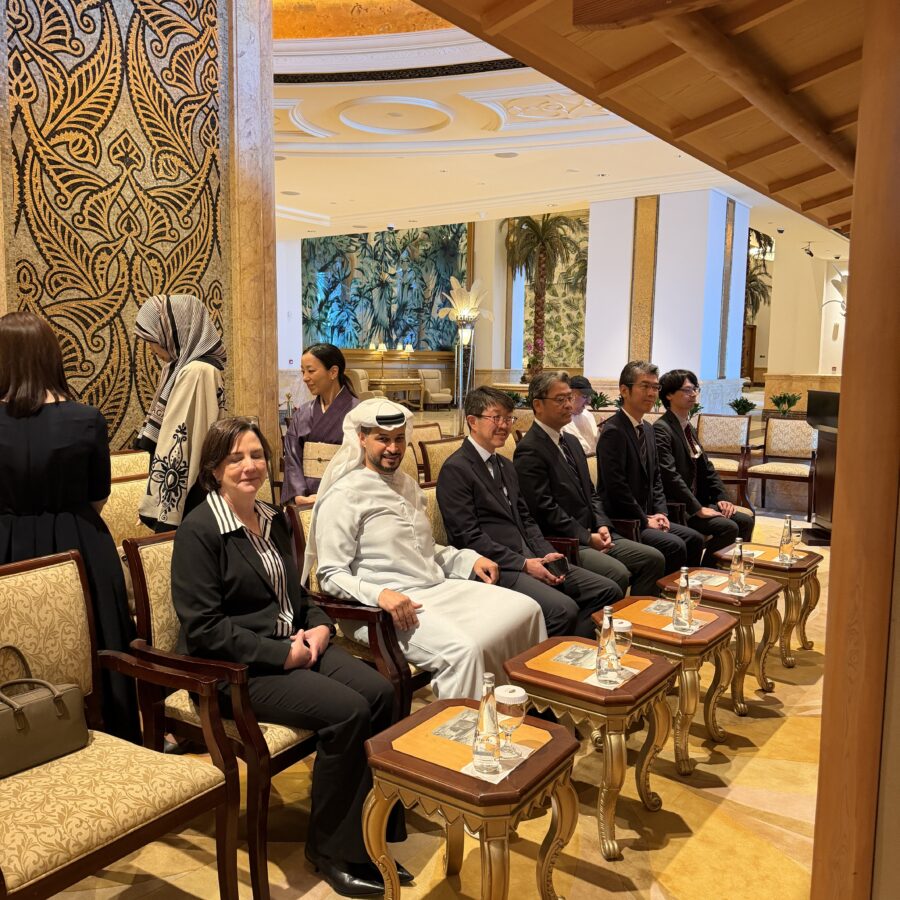
In Abu Dhabi, I was particularly impressed to see not only Japanese people, but also local residents actively involved at the heart of the organization and its activities. It seemed to me that the Japanese tea ceremony has truly taken root here.
The tea room that Grand Master Hōunsai presented in 2009 to His Highness the Crown Prince of Abu Dhabi is still carefully maintained and actively used, seventeen years later. Through this visit, I could sense the dedication and efforts of everyone in the association who has continued its activities here over so many years, using this tea room as their base.
When we Japanese travel overseas, we may bring a chabako or a nodate tea set with us and enjoy preparing tea at our destination. However, it is not easy to return to the same place again and again for this purpose.
We have only one life. If we are going to spend the same amount of time and money on travel, it is only natural to want to visit as many different places as possible.
Yet for the local people who attend a tea ceremony presented only once, however precious that opportunity may be, it can ultimately remain nothing more than a single memory.
It would be a great loss if all that remained was the thought, “I once saw a Japanese tea ceremony.”
I believe it is something truly wonderful to have a place like this, where tea ceremony activities can be carried out continuously and over the long term.
It is through such continued efforts that a single encounter can grow into a lasting cultural memory, allowing the Japanese tea ceremony to truly take root in another country.
2026-01-27 アブダビ裏千家における茶道紹介 2026-01-27 アブダビ裏千家における茶道紹介 2026-01-27 アブダビ裏千家におけるお点前 2026-01-27 アブダビ裏千家における茶道紹介 2026-01-27 アブダビ裏千家における茶道紹介 2026-01-27 アブダビ裏千家におけるお点前 2026-01-27 アブダビ裏千家におけるお点前 2026-01-27 アラビア書道で書かれた色紙 2026-01-27 アブダビ裏千家におけるお点前 2026-01-27 アブダビ裏千家におけるお点前 2026-01-27 茶室のあるホテルエントランス