2025.11.17
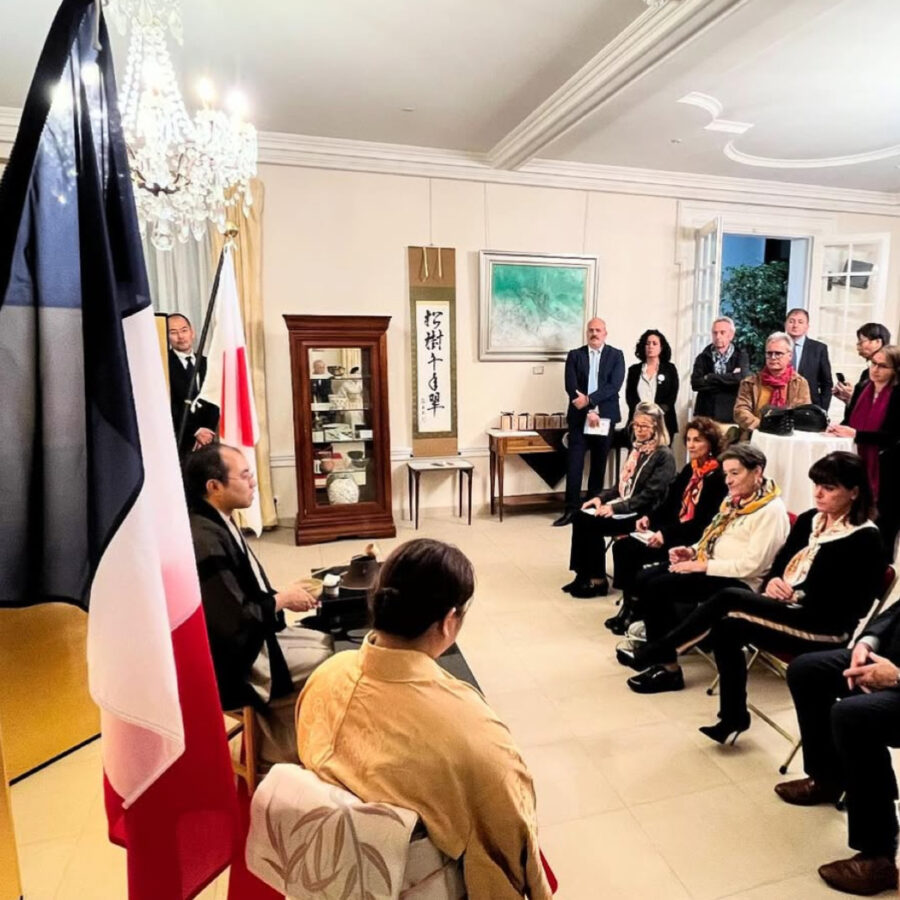
Demonstration outside the official residence of the Consul General of Japan in Marseille
Tea, Asahi-yaki, and Sumi-e Demonstration in Marseille
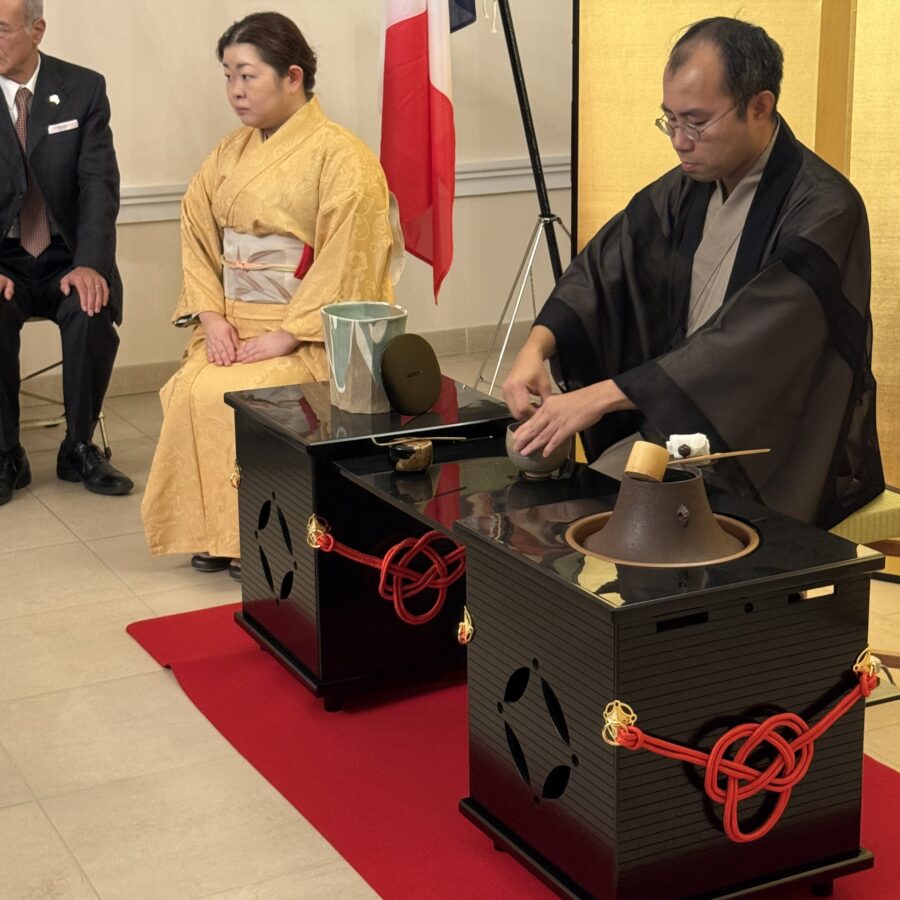
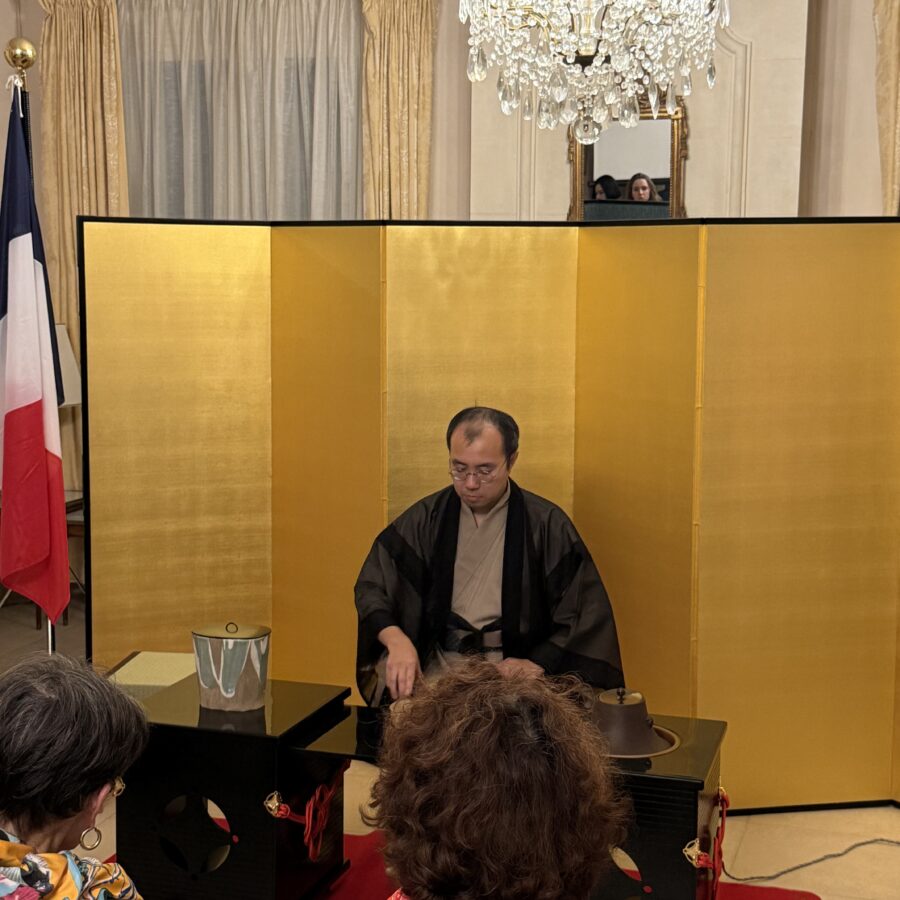
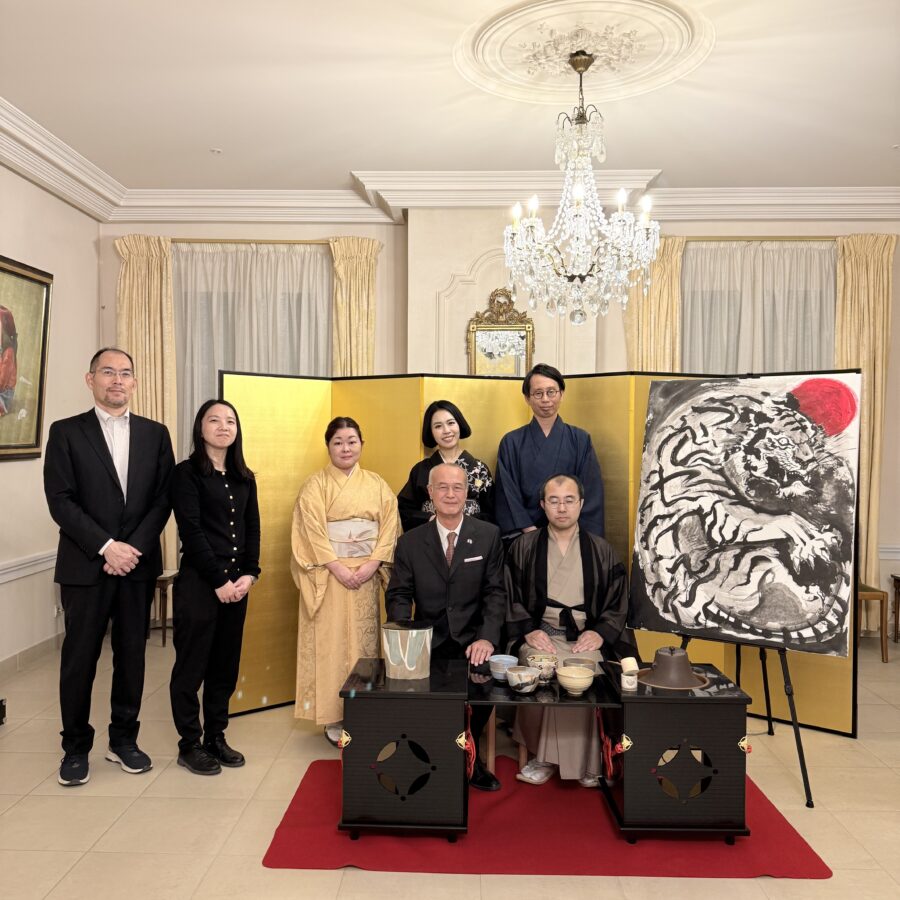
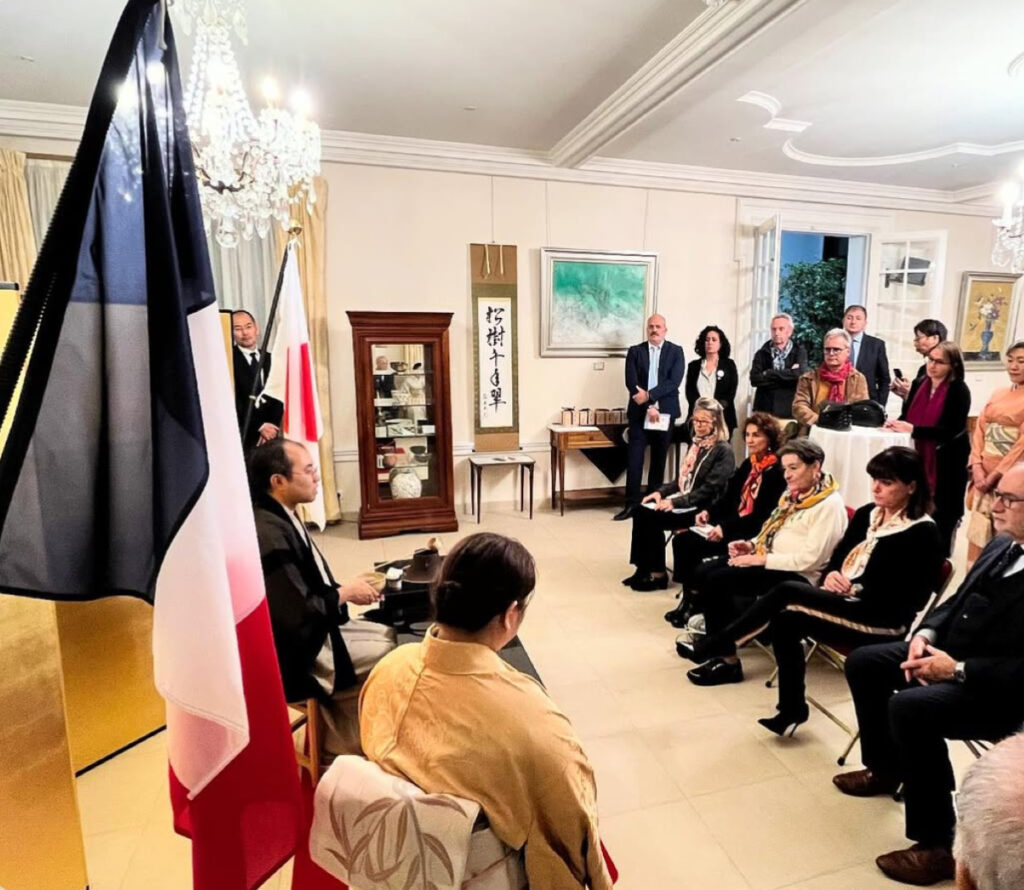
On November 17, I had the honor of presenting a demonstration of Japanese tea culture, Asahi-yaki pottery, and sumi-e ink painting at the official residence of Consul General Kitagawa in Marseille, one of the historic Japanese diplomatic missions in Europe.
We were honored to welcome mayors from neighboring municipalities, cultural figures, and tea masters active throughout southern France.
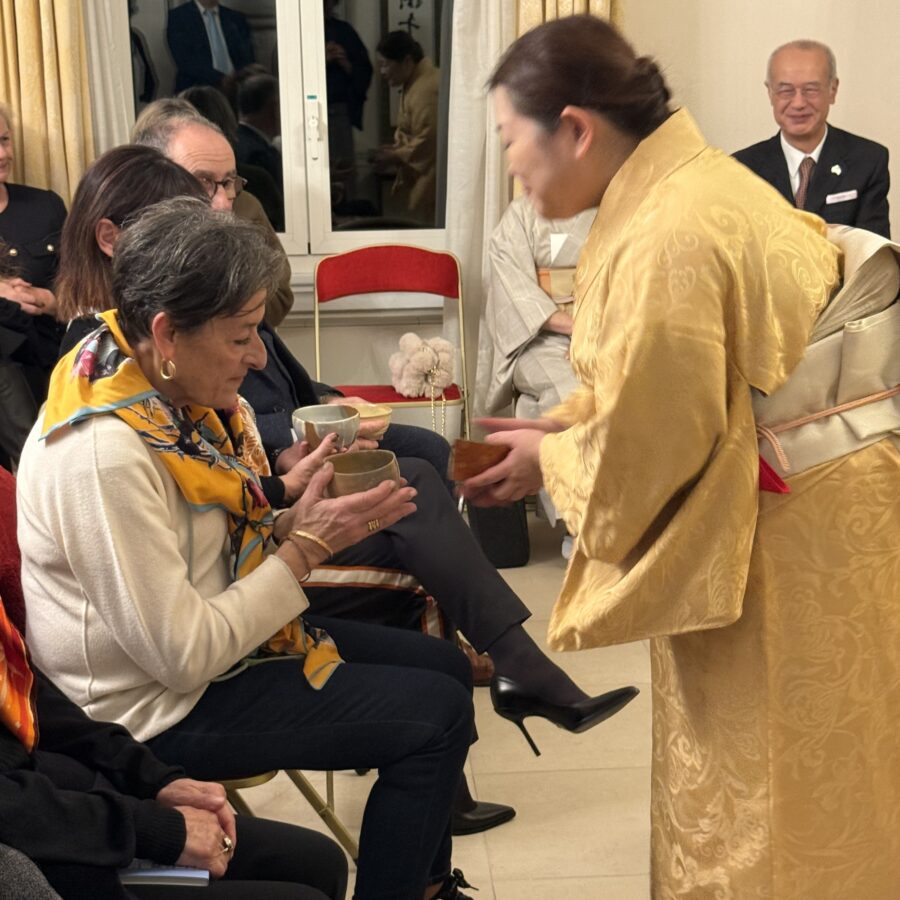
After serving a bowl of tea to our guests, Matsubayashi Hōsai XVI [@hosaimatsubayashi] introduced the traditional craftsmanship and history of Asahi-yaki. Sumi-e artist Yoshimi Inoue [@yoshimi925] then gave a live demonstration that captivated and impressed the audience.
As mentioned above, Marseille is regarded as one of the starting points of diplomatic relations between Japan and France.
It was here that Tokugawa Akitake, the younger brother of Tokugawa Yoshinobu, the last shogun of the Tokugawa shogunate, first set foot in France as a member of the Japanese delegation sent to the 1867 Paris Exposition Universelle.
In that sense, Marseille can be considered one of the places where Japan–France relations truly began.
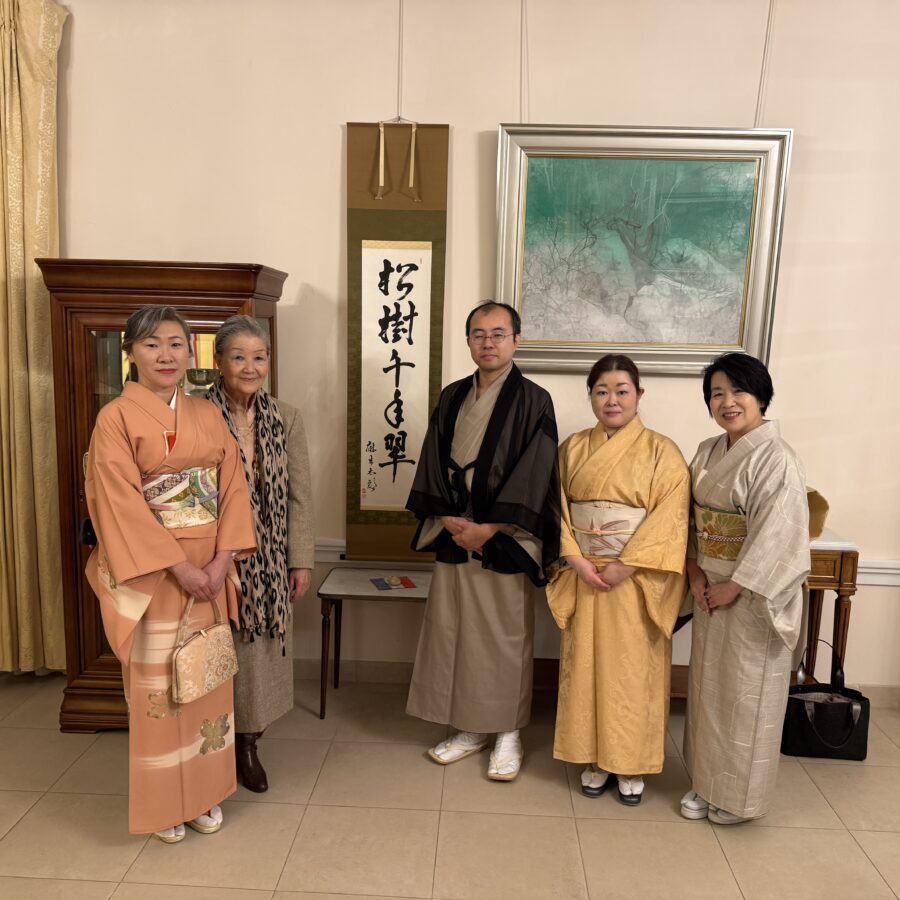
For this tea gathering, two particular pieces became highlights of the setting: the chashaku “Akitake,” presented to our family by the Mito-Tokugawa family, and a hanging scroll by former Japanese Prime Minister Taro Aso, bearing the inscription:
「松樹千年翠」
“Pine trees remain green for a thousand years.”
Asahi-yaki also has a fascinating connection with France.
The former French Prime Minister Georges Clemenceau was renowned as an avid collector of kōgō, the small incense containers used in the Japanese tea tradition. His collection numbered an astonishing 2,800 pieces.
Today, this remarkable collection is divided among three locations. Among them are six pieces of Asahi-yaki.
From these, two reproductions of historical works made by successive generations of the Asahi-yaki kiln were displayed on this occasion.
As 2025 draws to a close, we are also approaching the 170th anniversary of the establishment of diplomatic relations between Japan and France.
I hope this gathering provided an opportunity to generate a few ideas and perhaps some new perspectives for the future of Japan–France relations.
My heartfelt thanks go to Consul General Kitagawa and Deputy Consul General Takazawa of the Consulate-General of Japan in Marseille for arranging this occasion and for giving me the privilege of taking part in such a valuable opportunity.