2017.03.12
Chūshingura Tea Gathering — March 12 2017
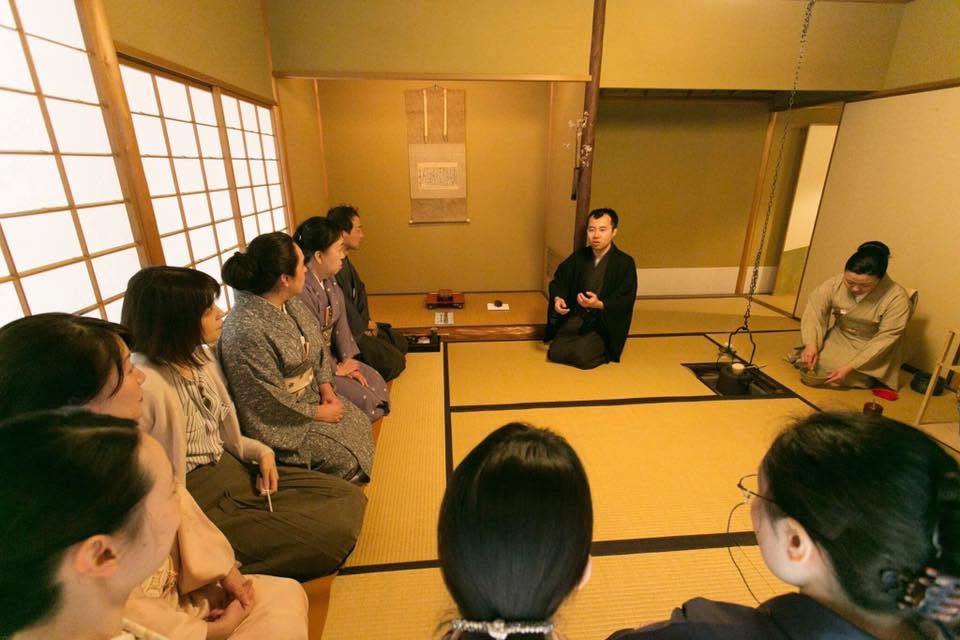
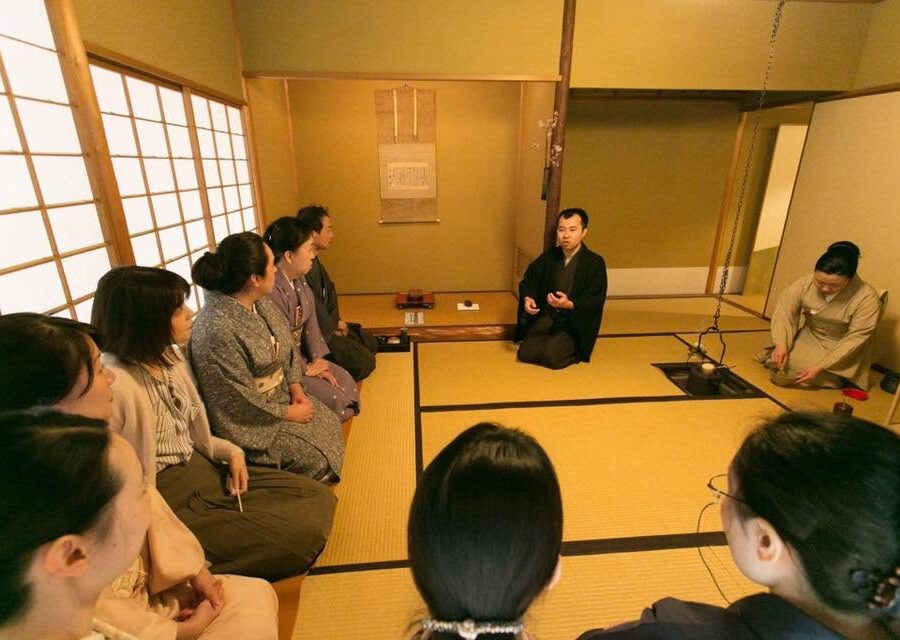
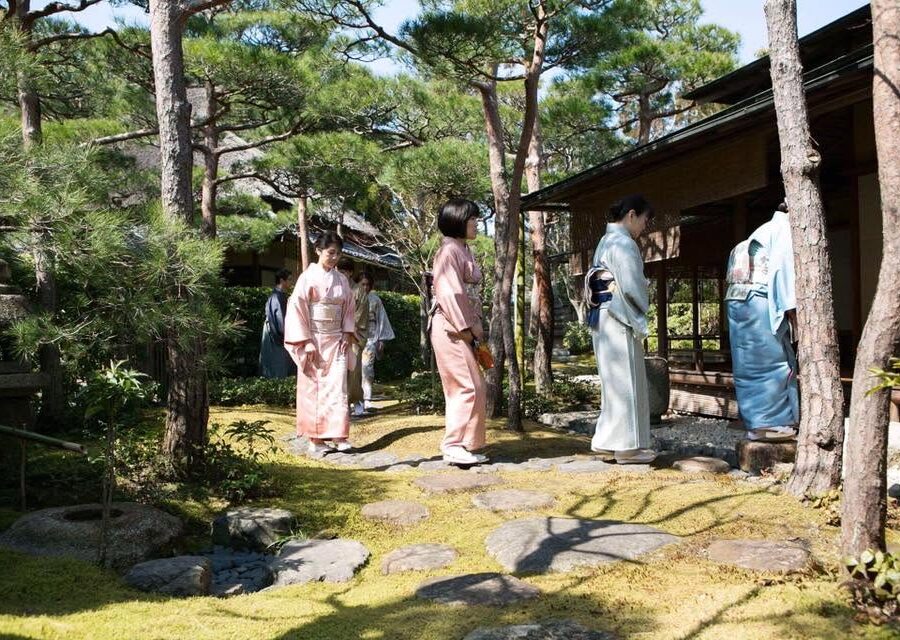
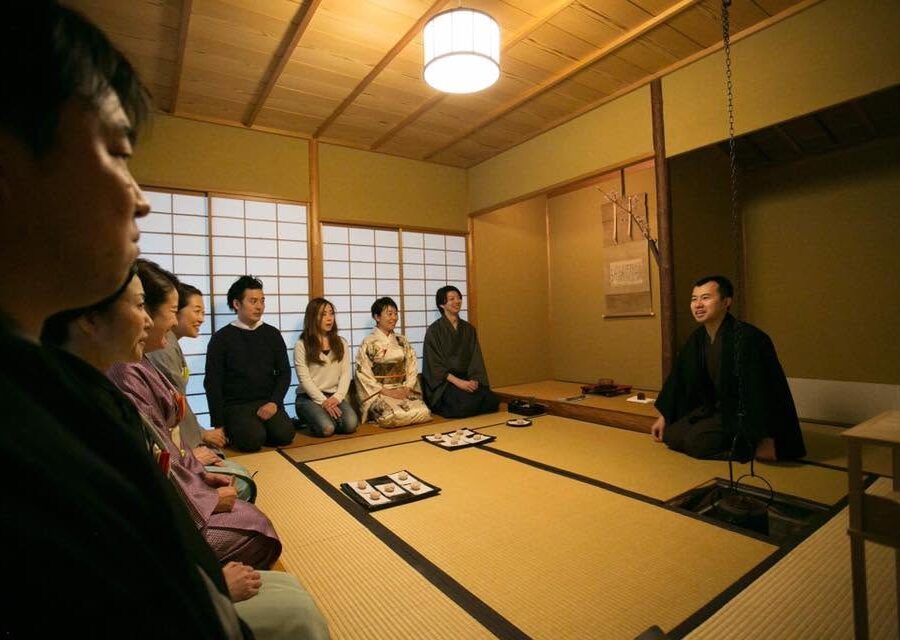
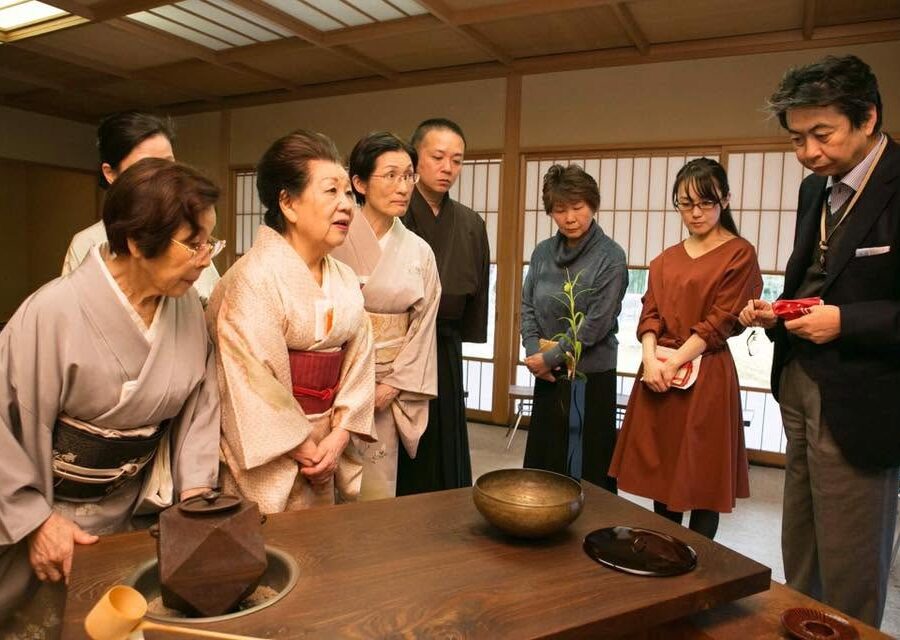
On March 12, shortly before the anniversary of Asano Takumi-no-kami’s ritual suicide, I held a Chūshingura-themed tea gathering at Gekkō-an, the tea room of Fushinan of the Sōhen-ryū School of Tea, a place with particularly deep connections to the story of the Forty-Seven Rōnin.
The gathering also served as an opportunity to report on the tea ceremonies I had held in France and Algeria.
The theme of the tea gathering naturally continued the spirit of the Chūshingura tea gathering I had held in Paris the previous year.
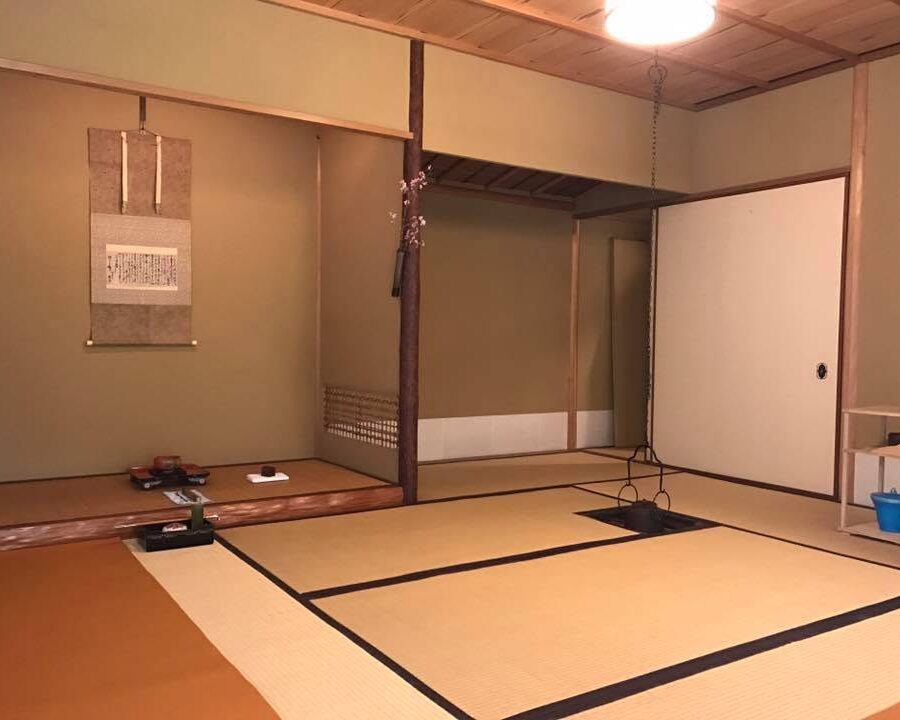
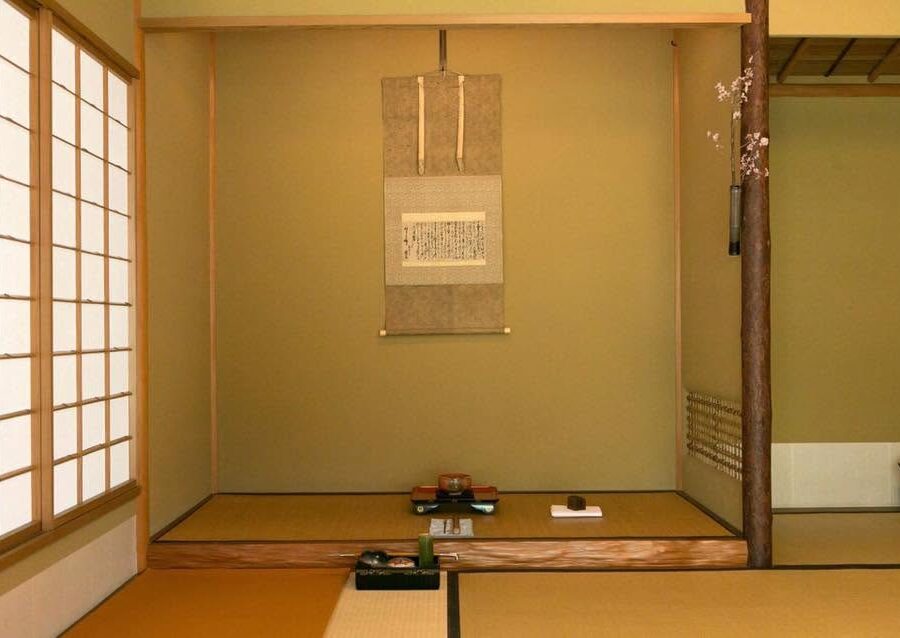
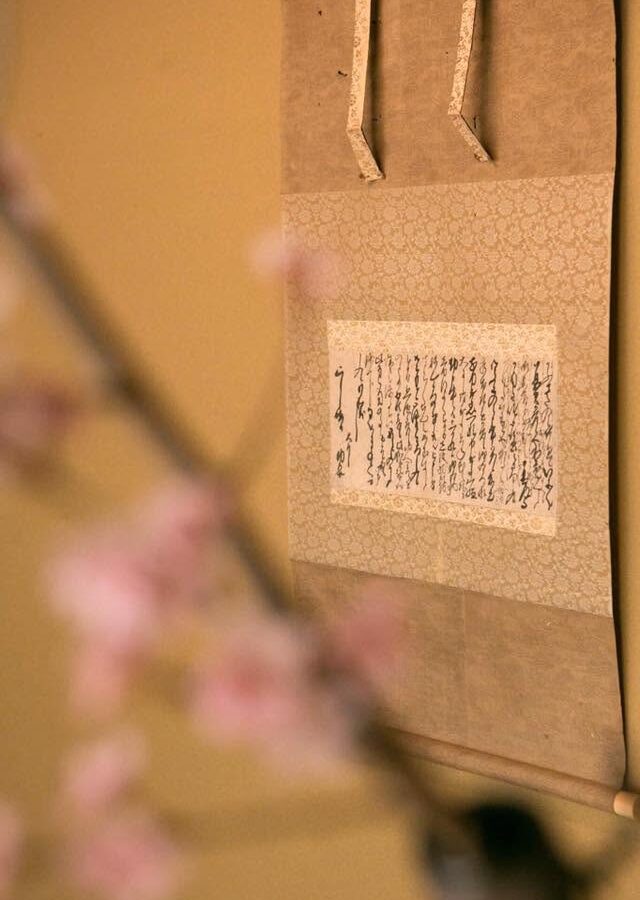
On the tokonoma, I displayed a letter written by Ōishi Kuranosuke. I used a tea scoop made by Ōtaka Gengo (Shiyō) himself and presented to his teacher, Yamada Sōhen.
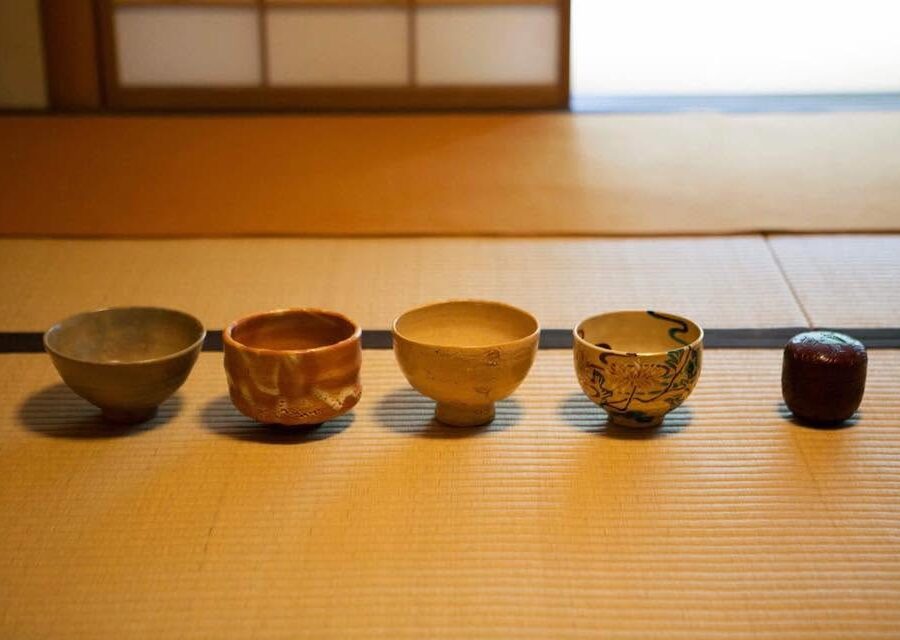
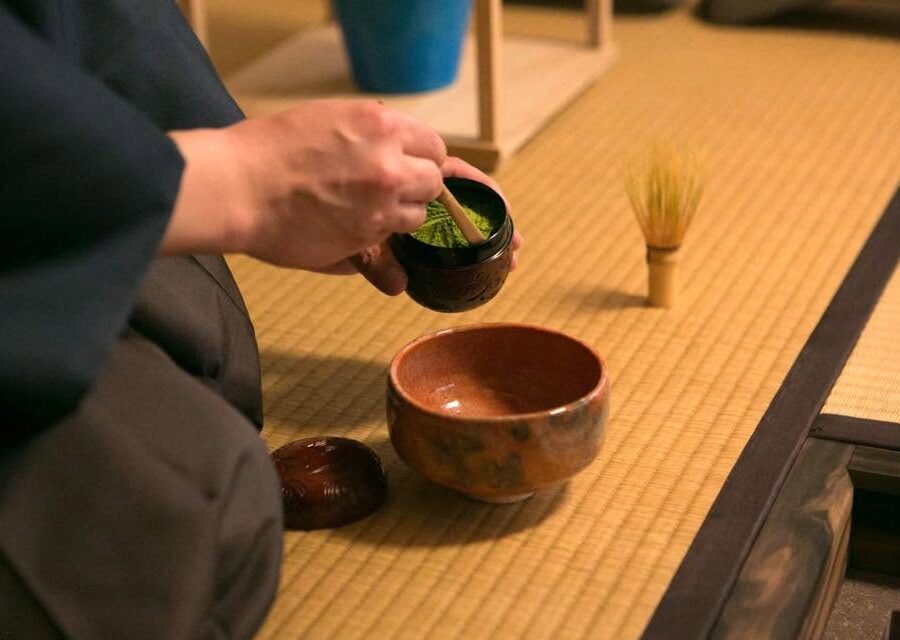
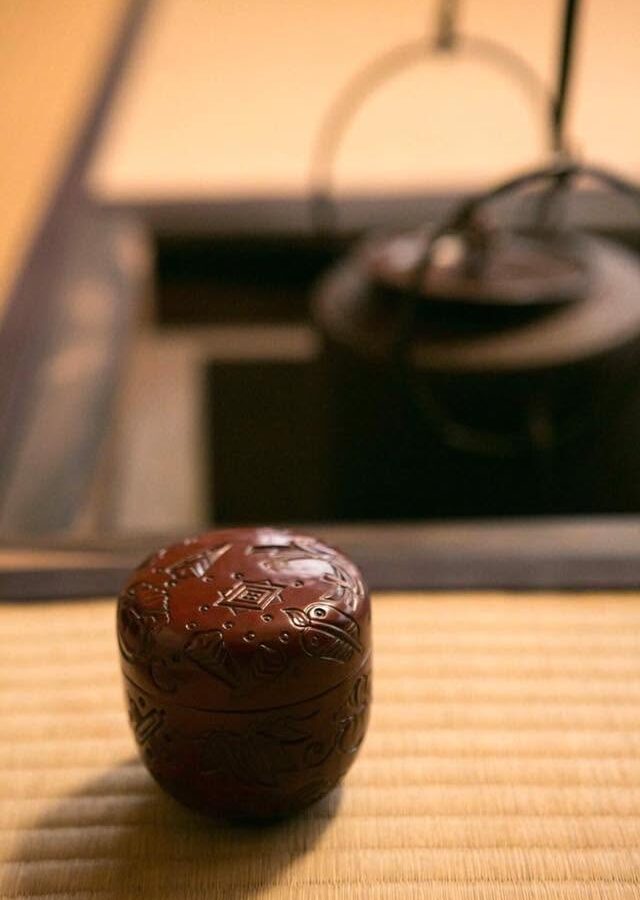
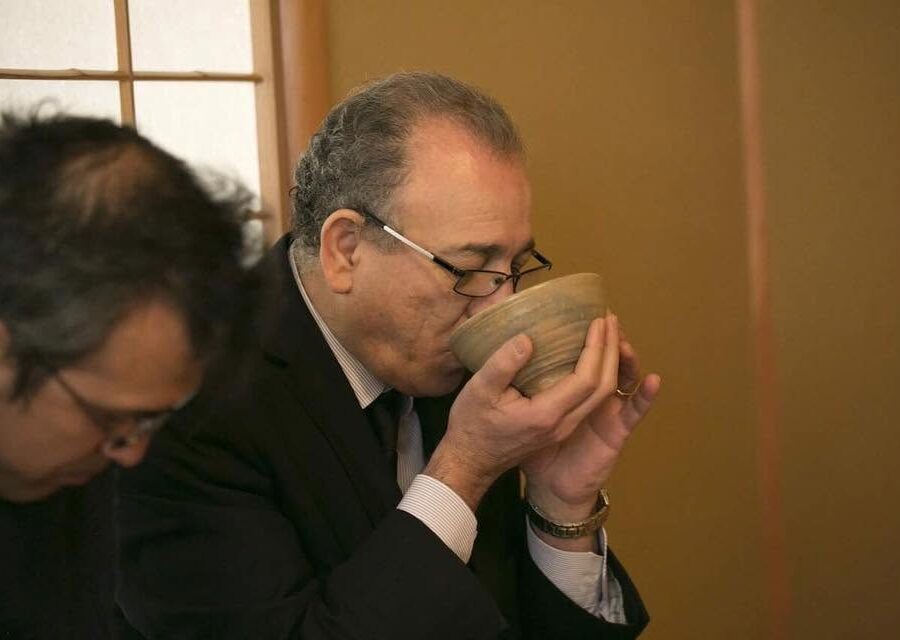
I also used a tea bowl from Ichiriki Chaya, the famous teahouse where Kuranosuke is said to have spent time while living incognito, and an incense container decorated with pine bark from a pine tree that Kuranosuke himself planted at Kakureizan Hanagaku-ji.
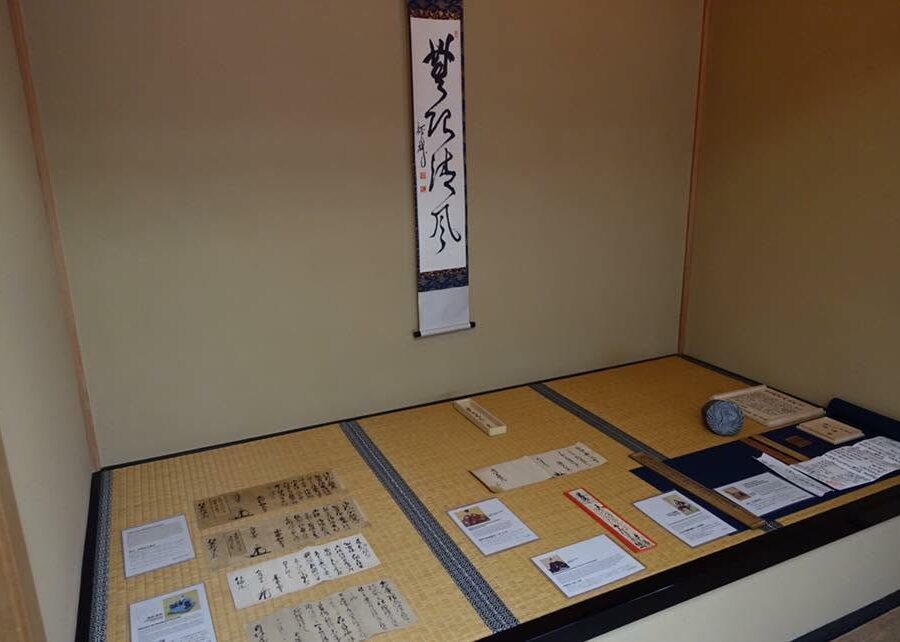
In the waiting room, I displayed a letter by Asano Takumi-no-kami and a tanzaku poem card by Yanagisawa Yoshiyasu.
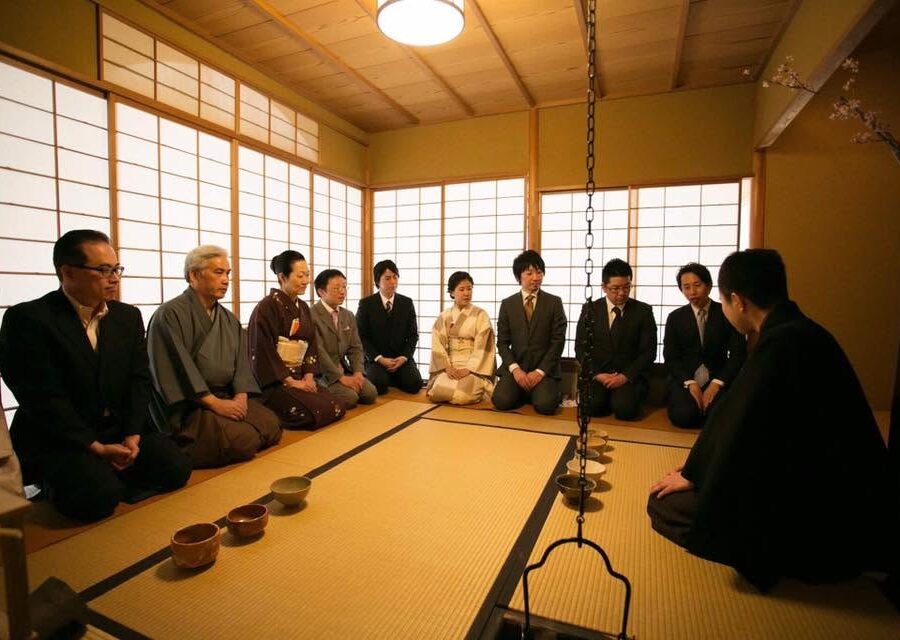
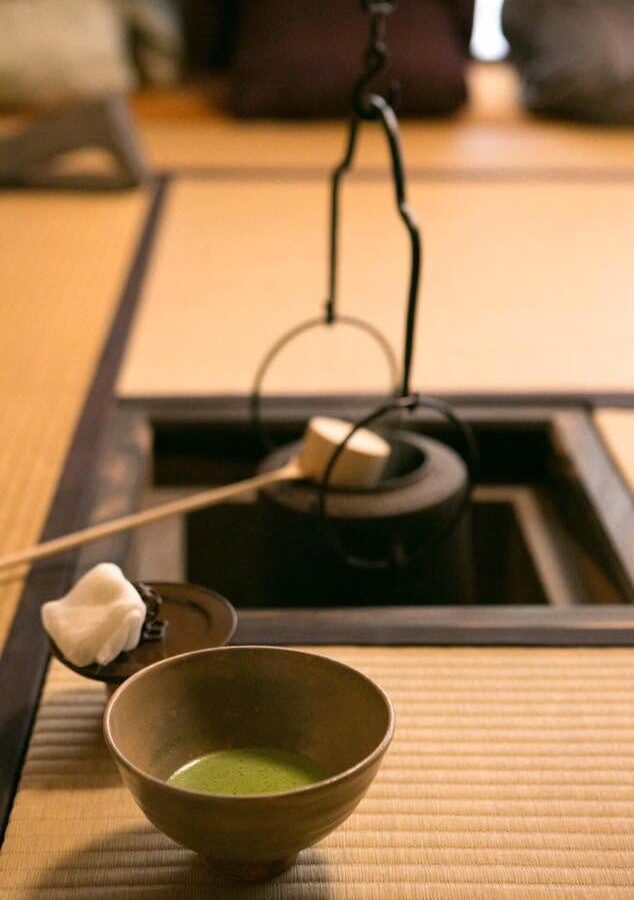
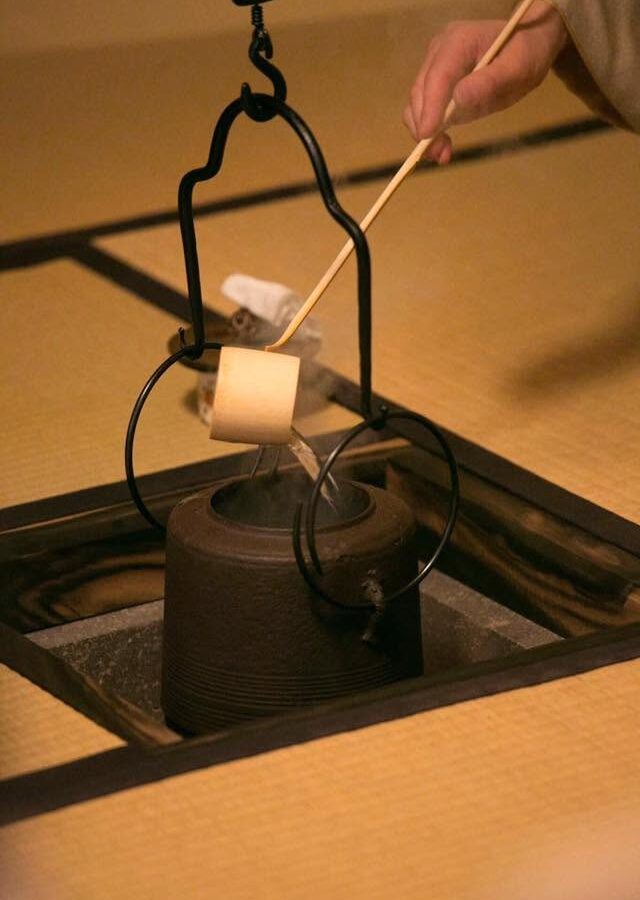
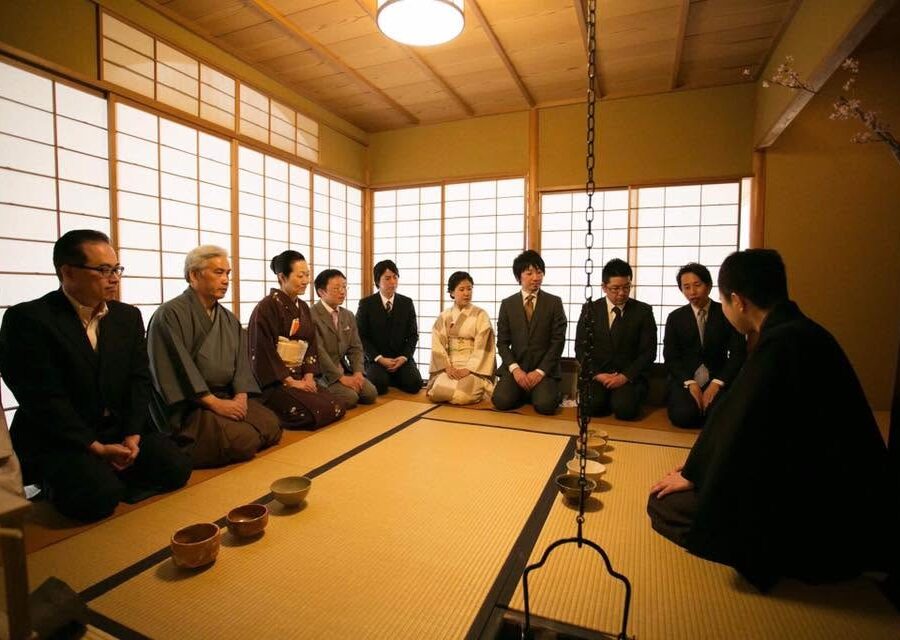
These historical objects were combined with seasonal utensils, including a hanging kettle, creating the atmosphere of the tea gathering.
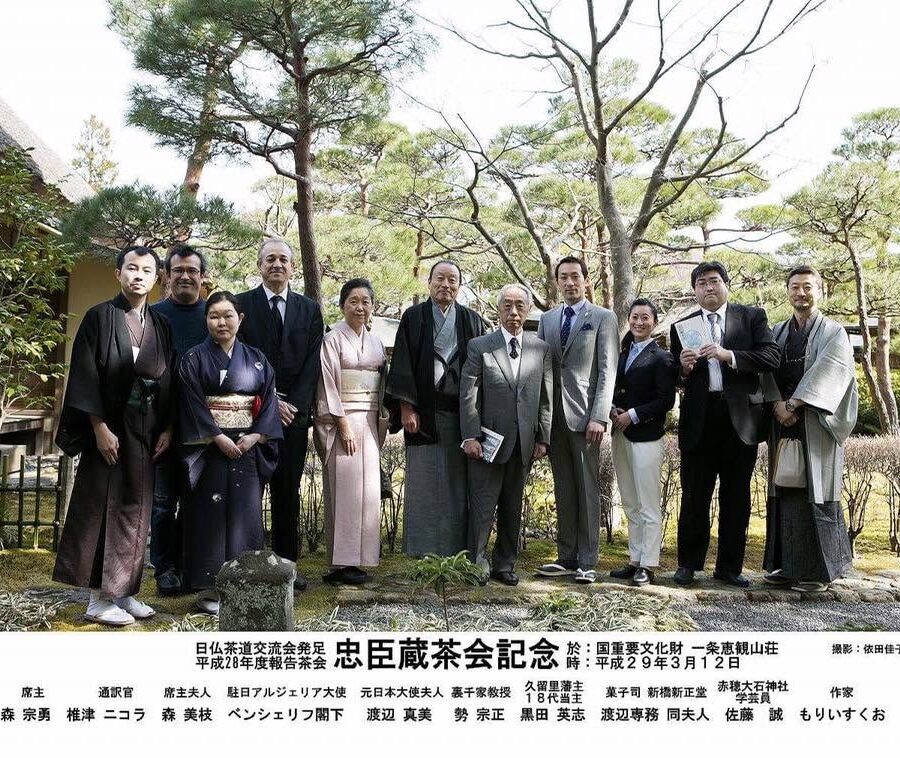
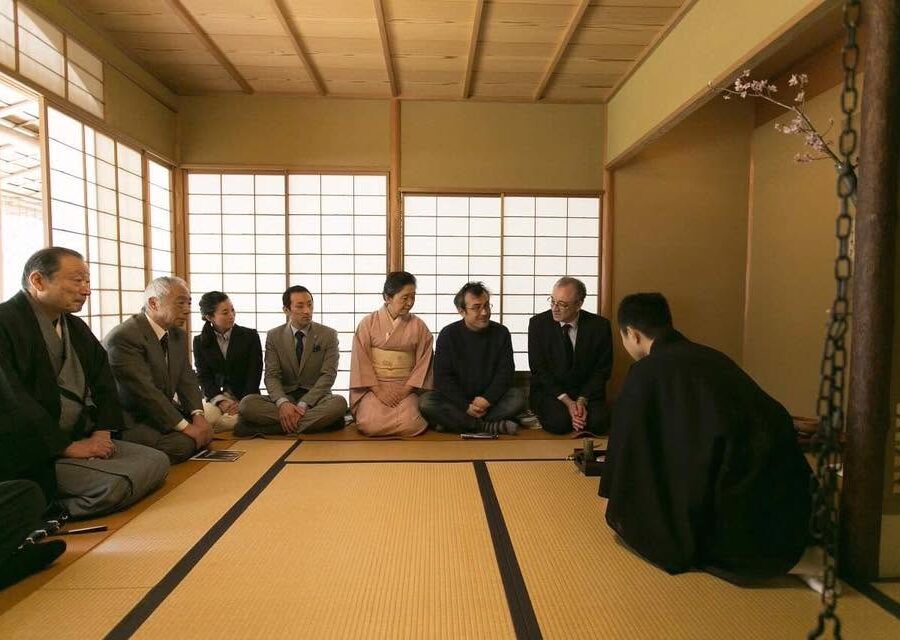
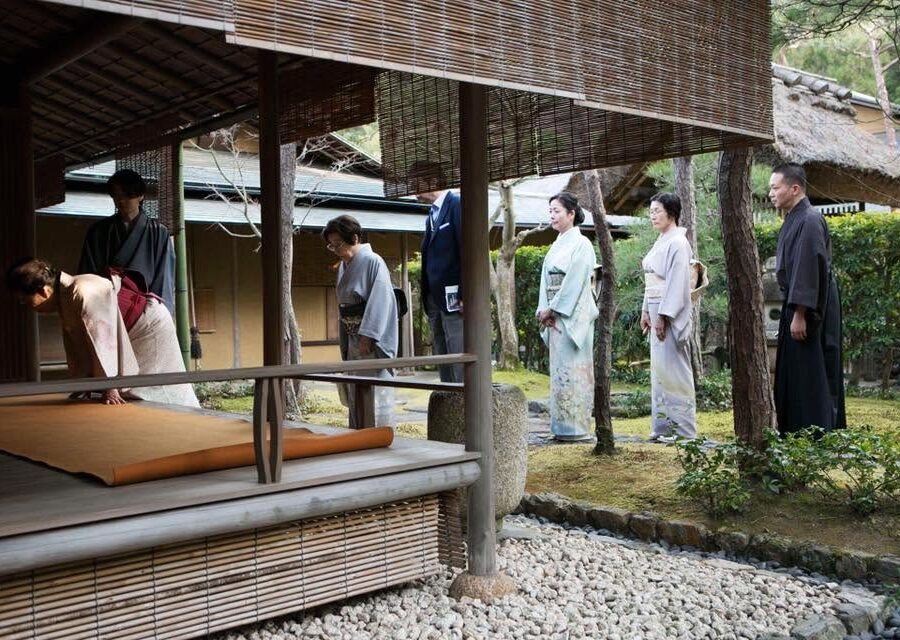
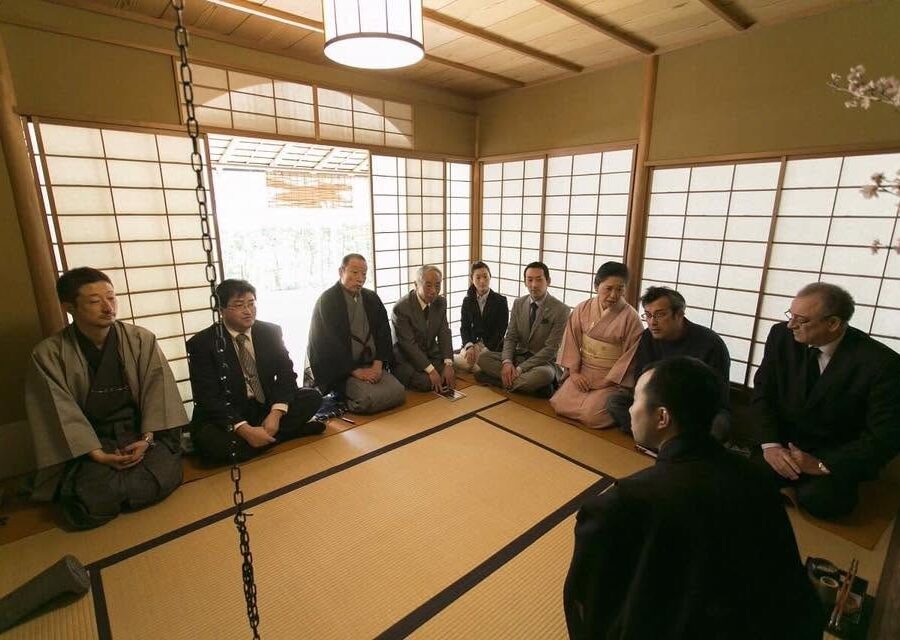
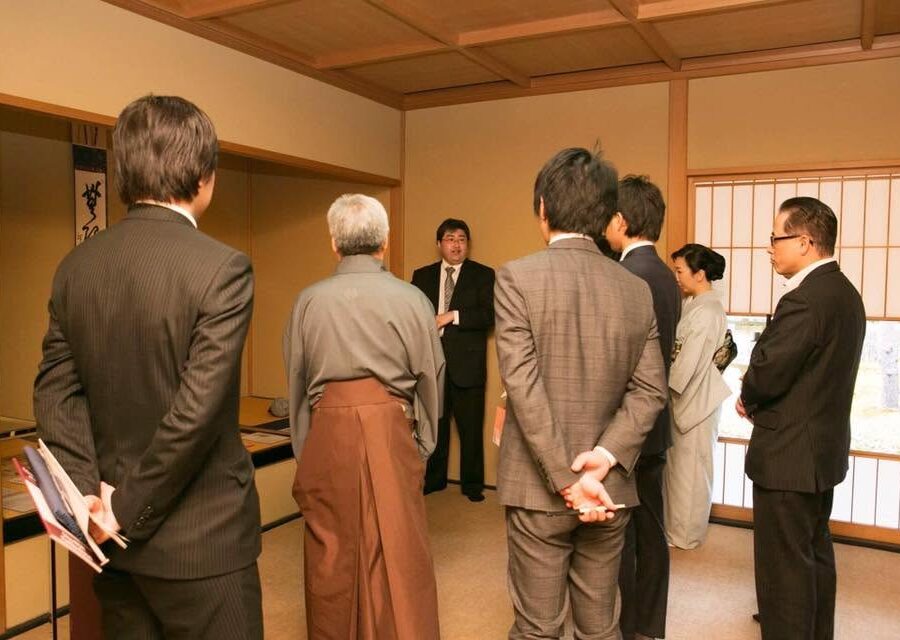
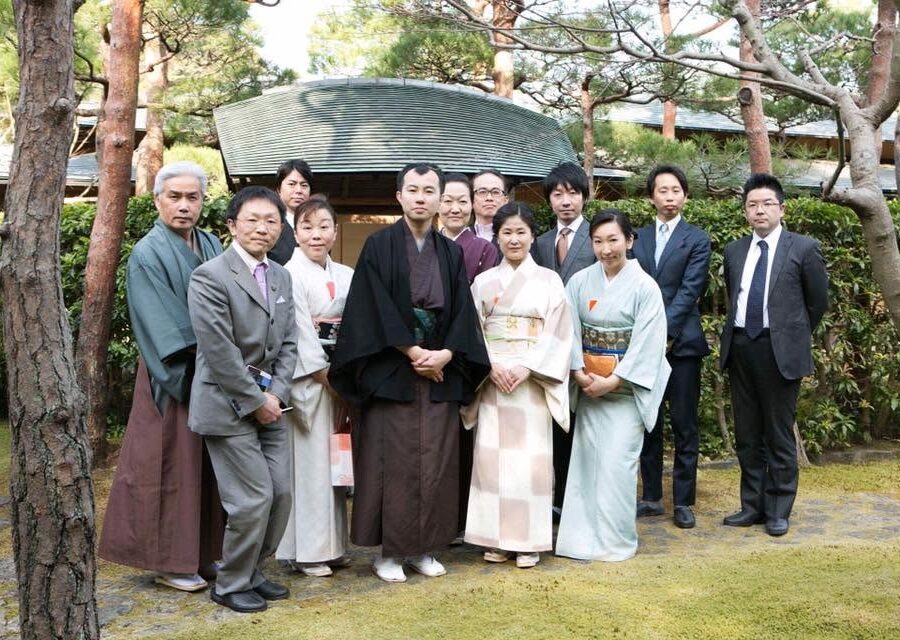
At the first sitting, we were honored to welcome H.E. Ambassador Bensherif, Ambassador Extraordinary and Plenipotentiary of the People’s Democratic Republic of Algeria to Japan, the wife of a former Japanese ambassador, Mr. Eishi Kuroda, 13th head of the former lords of the Kururi Domain, my teacher Sōei, Mr. Makoto Satō, curator of Ōishi Shrine in Ako and coordinator of the Mori Family Historical Materials Research Group, writer Morii-sensei, and, as the final guest, Mr. and Mrs. Watanabe of Shinshōdō, the confectionery shop famous for its seppuku monaka, located at the very site where Asano Takumi-no-kami carried out his ritual suicide.
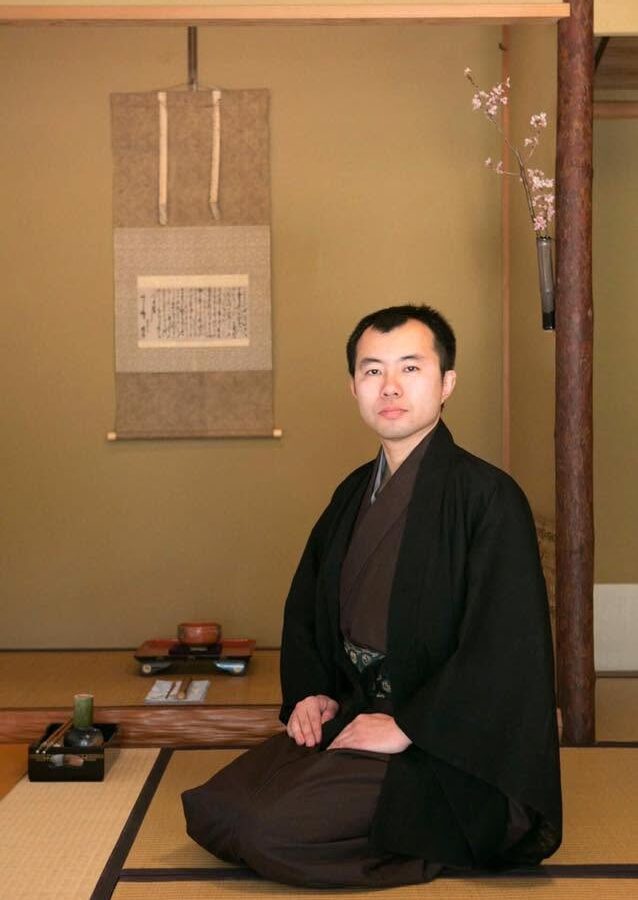
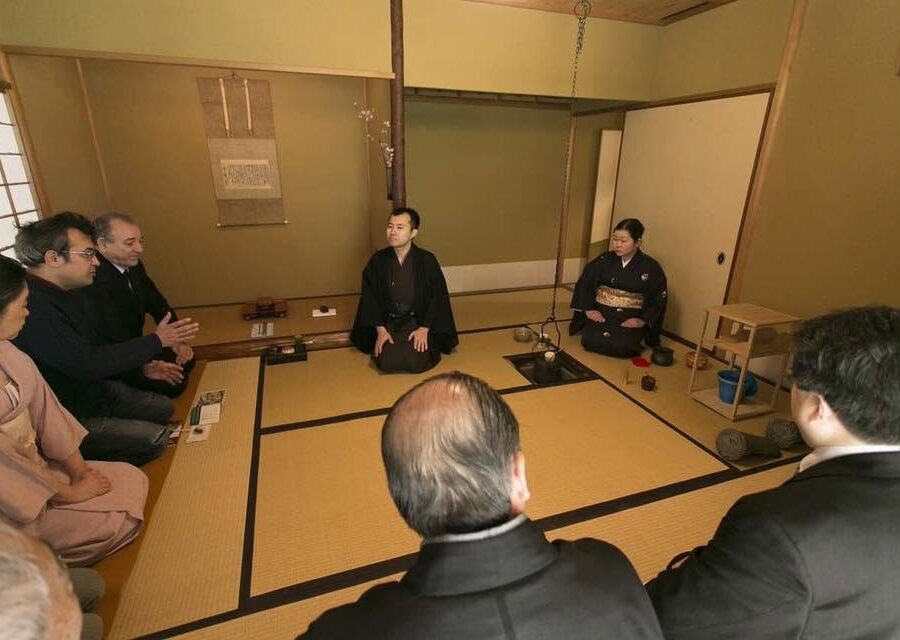
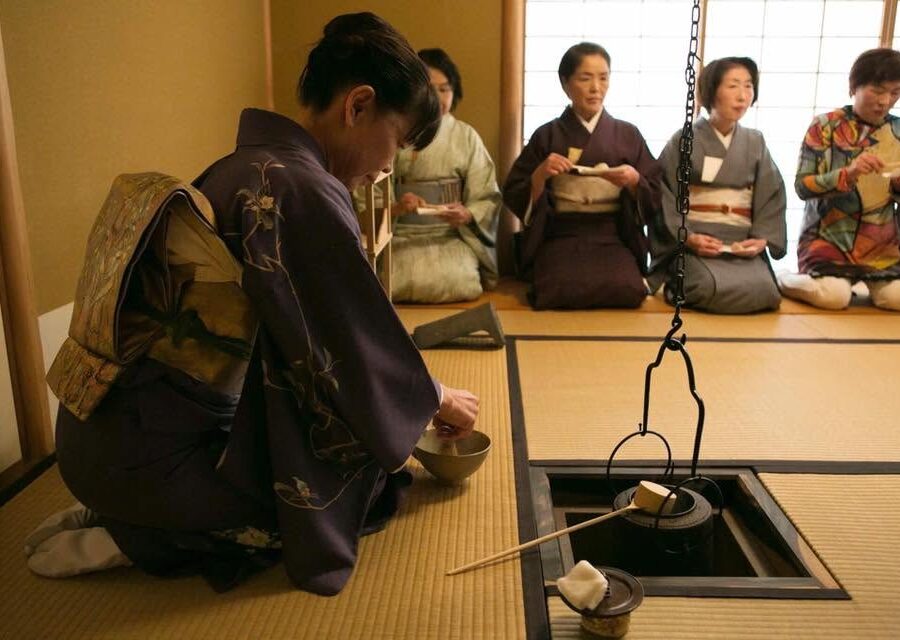
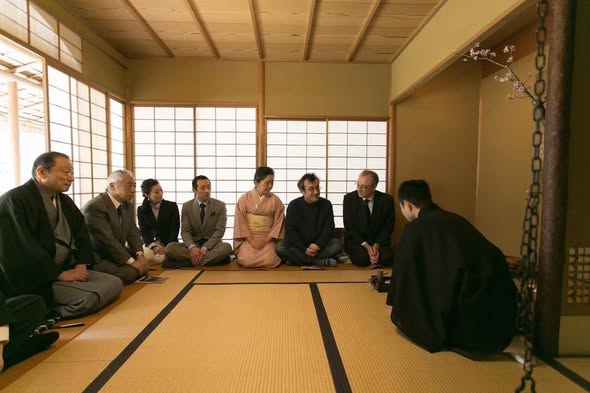
With my wife performing the tea procedure, the first sitting began amid considerable tension.
The historical episode itself—of a senior retainer inviting his lord to tea and serving him personally—is the kind of event that, had it occurred during the Edo period, would certainly have been recorded in a family chronicle.
Although my ancestors might well have objected, on this day, for the first time in Japan, I assumed the historical name of my ancestor, Mori Seidayū, the 16th generation.
Ambassador Bensherif had originally been expected to attend in the evening. However, quite unexpectedly, the King of Saudi Arabia was visiting Japan at the same time, and the Ambassador was obliged to come early in the morning instead.
As a result, the Ambassador and the former lord of the domain found themselves together in the same tea gathering, making it an extraordinarily distinguished occasion.
For the tobacco tray, I used an object that had been presented to one of my ancestors by Viscount Kuroda Naoyasu, and placed an Algerian ceramic vessel inside it as the tobacco container.
The Ambassador spoke warmly about the deep historical relationship between Japan and Algeria. He also told us that sitting formally in seiza is part of everyday Islamic custom.
Throughout the forty-minute tea gathering, he maintained an exceptionally graceful seiza posture—indeed, more beautifully than anyone else present.
He also explained that in Algeria, as in Japan, it is traditionally customary to remove one’s shoes before entering the home and to sit around a low dining table for meals.
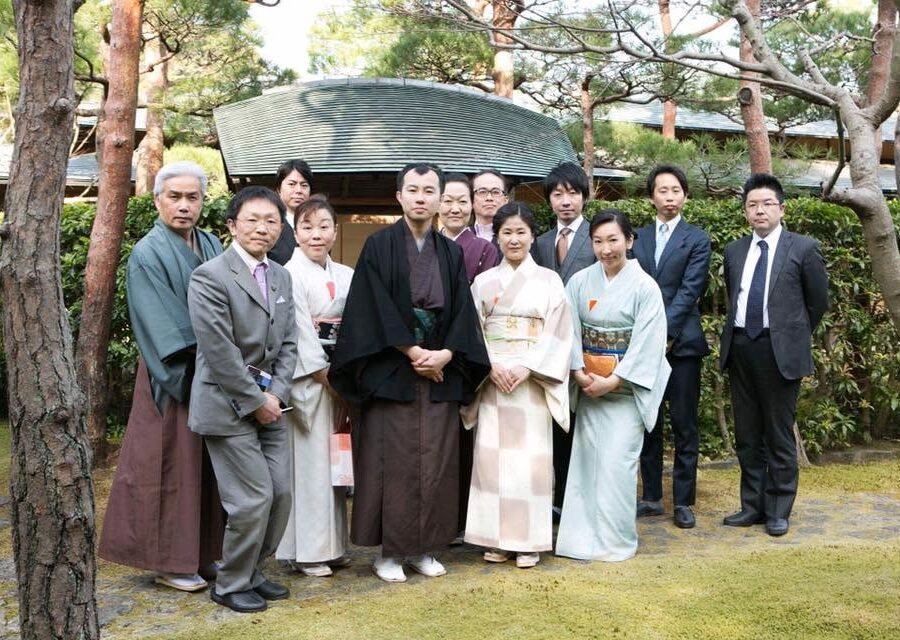
In the afternoon, I welcomed colleagues from my workplace who share my passion for tea. They had traveled all the way from Niigata, Nagasaki, and Sendai to join us.
I had incorporated several subtle details into the room setting, wondering whether anyone would notice them. The fact that my tea friends recognized them and even referred to them in conversation was, in itself, a pleasure unique to those who share the same world of tea.
Someday, I hope to hear their honest critiques of the gathering.
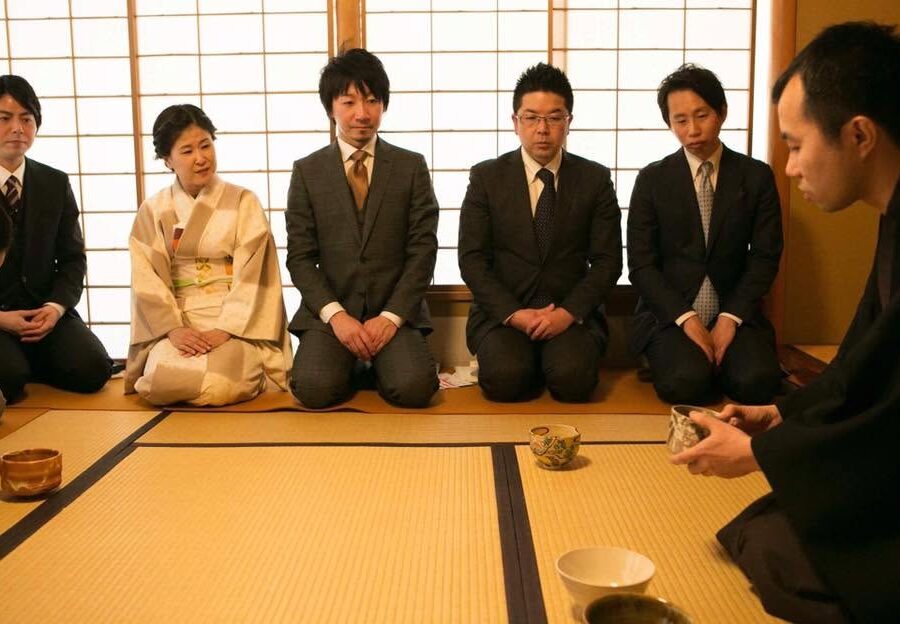
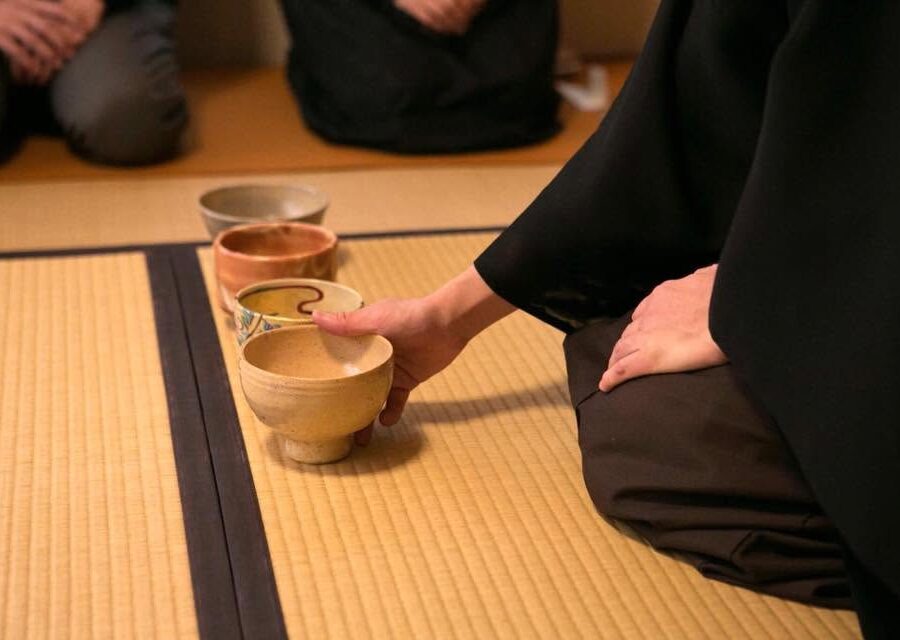
For another sitting, I invited several artists with whom I have had the pleasure of developing close friendships.
As principal guest, we welcomed Hōsai Matsubayashi XVI of Asahiyaki.
The other guests included Mr. Arata Nagano, master of tea kettles; Mr. Hirotsugu Ogawa, master of Raku ware; Mr. Shinryū Sugita, master of Kyō-yaki; Mr. Kan’yū Mitsuhashi, master of Kamakura-bori; and Mr. Hideaki Kimura, master of Bizen ware.
We were also joined by Mr. Uchiyama and Mr. Kobayashi, fellow practitioners of the same tea tradition, as well as Mr. Fumiya Zaima and Ms. Tamami Nagano. Ms. Ikuno Takei kindly served as the final guest.
Several of them traveled from as far away as Kyoto and Okayama simply to spend thirty minutes in the tea room.
I feel almost embarrassed by the magnitude of the kindness they showed me. I doubt that I will ever be able to hold another tea gathering of this scale. It was far beyond what I feel I deserved.
From now on, I hope to repay their kindness little by little, in whatever ways I can.
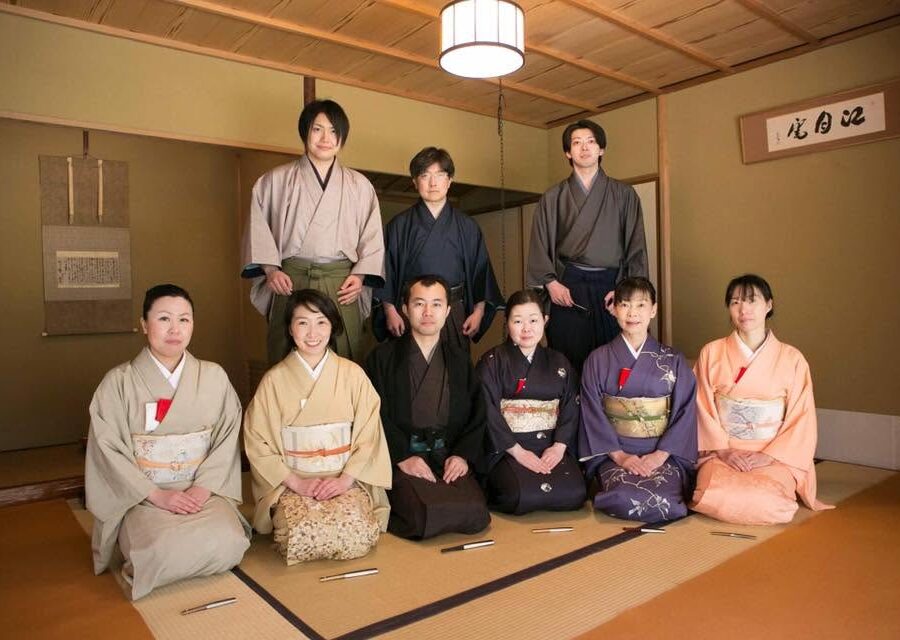
Above all, I owe an enormous debt of gratitude to my fellow practitioners who supported the gathering from the mizuya, the preparation area behind the tea room.
Every member of my tea group lives outside Tokyo, so this was a completely unfamiliar environment for all of us. Nevertheless, they came to help with the transportation of my equipment and with every small detail leading up to the event.
We were also fortunate to receive requests for interviews and coverage from newspapers, magazines, and television, and I myself had the unusual experience of being interviewed.
Because of my profession, I am rarely the person on the receiving end of an interview. I only hope I managed to make the right cuts and edits when speaking on camera!
Finally, I must express my deepest gratitude to photographer Yoshiko Yoda, who had also accompanied us on our journey to France. I asked an enormous favor of her this time as well, and I believe she spent the entire day running from one place to another, perhaps even giving up her lunch to photograph the event.
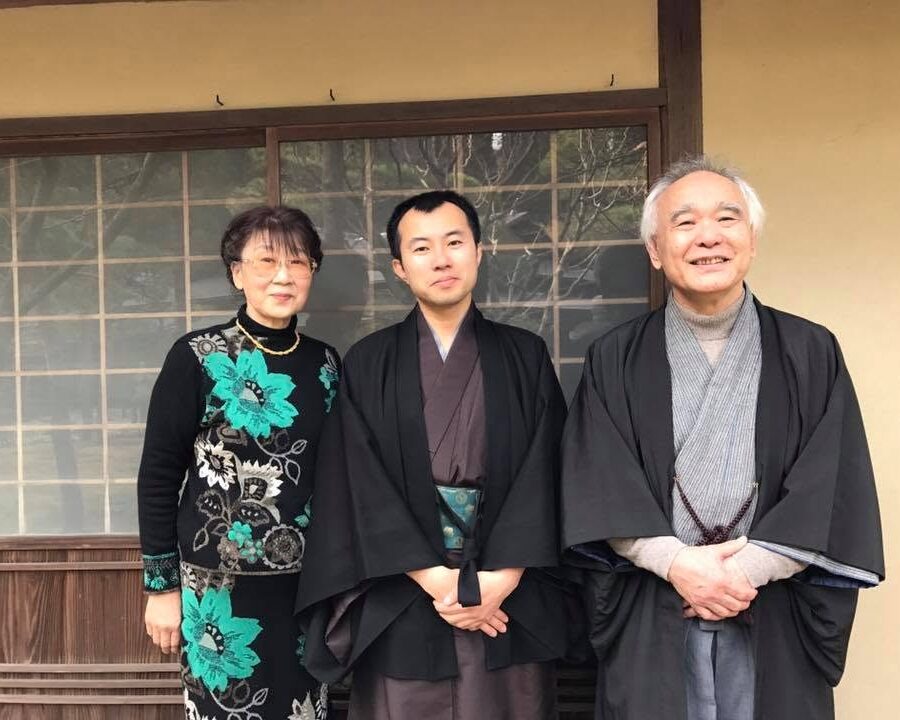
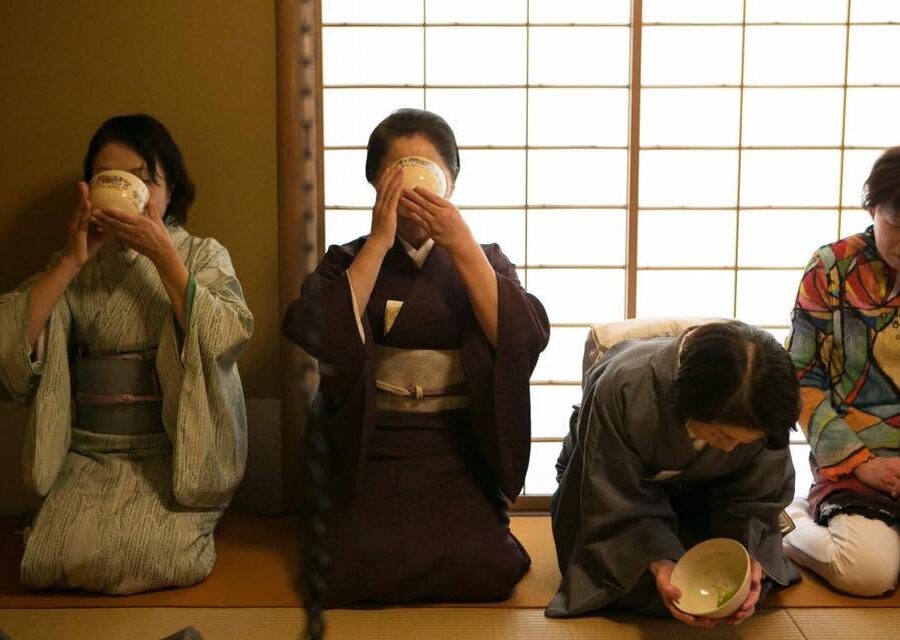
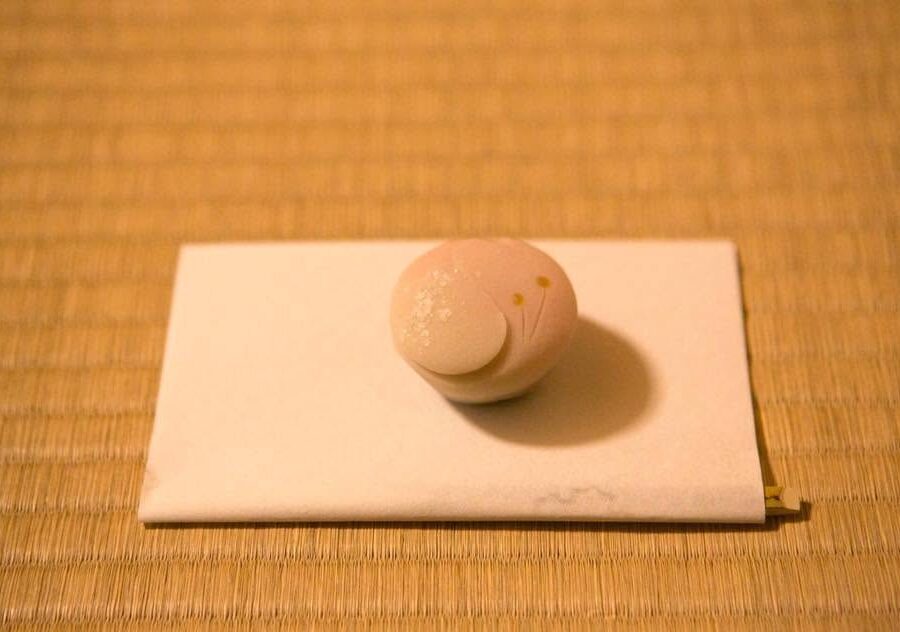
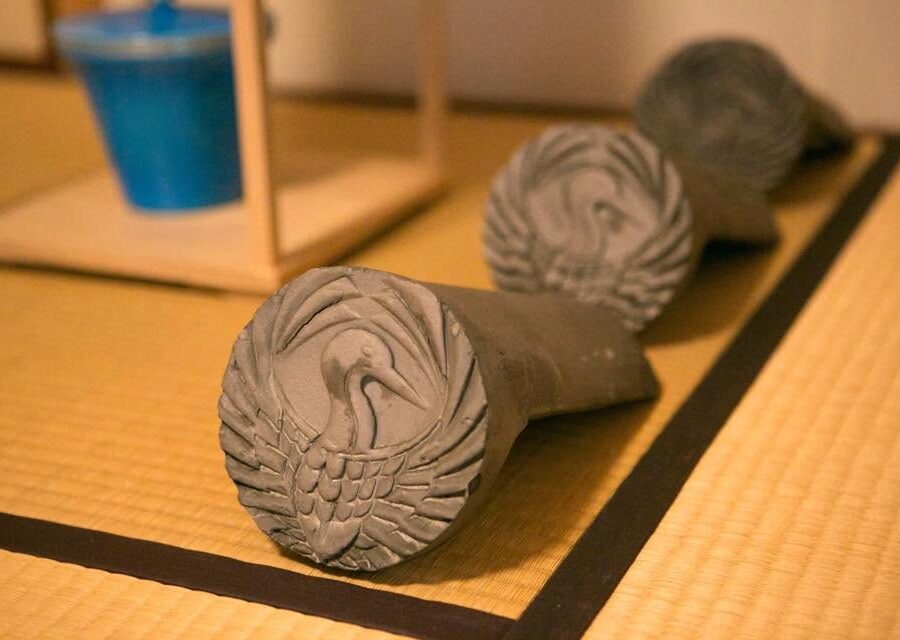
I would like to share here some of the photographs she sent me as an initial selection.
Many people have already asked, “Won’t you do this again next year?”
Unfortunately, I do not think I will ever be able to recreate an event on this scale.
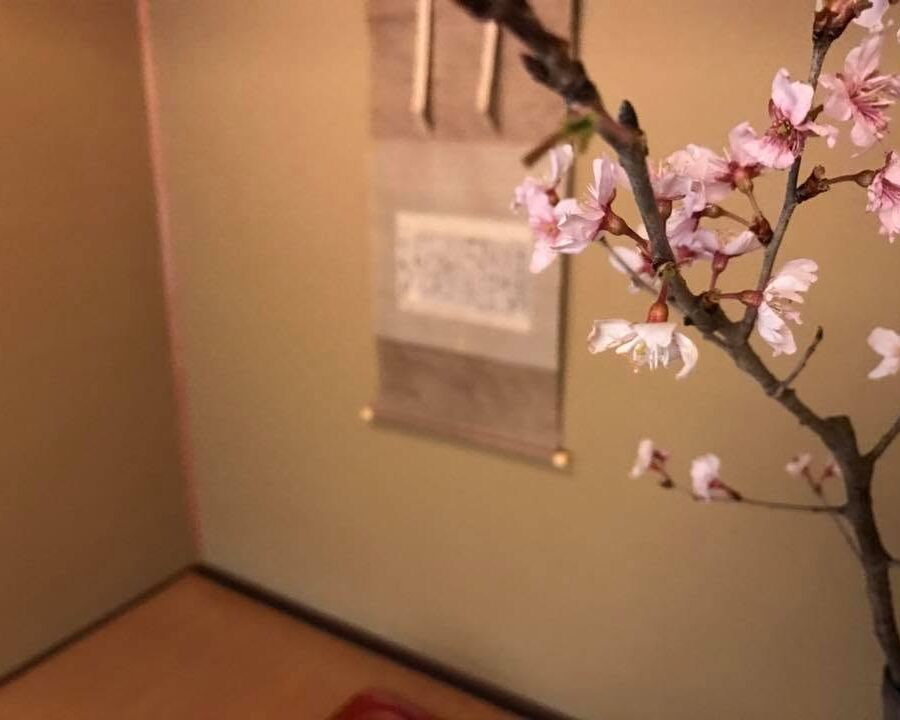
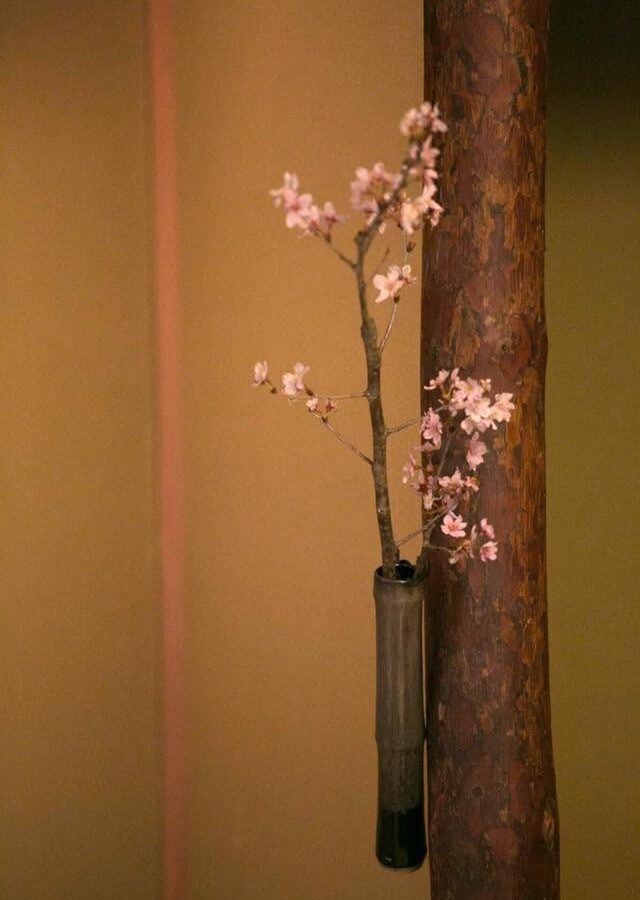
Like the cherry blossoms at the residence of Tamura Ukyo-no-daibu, I would like to leave this gathering as a dream that existed for one day and one day only.
To everyone who gave me that precious dream, I offer my heartfelt gratitude.